Braces and Orthodontics in Rawalpindi
Crooked, crowded, protruding or unevenly spaced teeth can affect the appearance of a smile, bite function and the ability to clean certain areas properly. Braces and orthodontics focuses on gradually moving teeth...
Available Braces and Orthodontics Services
About Braces and Orthodontics in Rawalpindi
At Brush & Floss Dental Clinic, patients looking for teeth braces in Rawalpindi can visit our clinic at Shop G-14, Bhatti Arcade Plaza, Tulsa Road, Rawalpindi for orthodontic assessment and treatment planning. Braces and orthodontics, teeth braces, braces types, braces price, braces for adults, before-and-after results, treatment duration, pain, age, retainers, gaps, overbite and local near-me searches.
What Are Dental Braces?
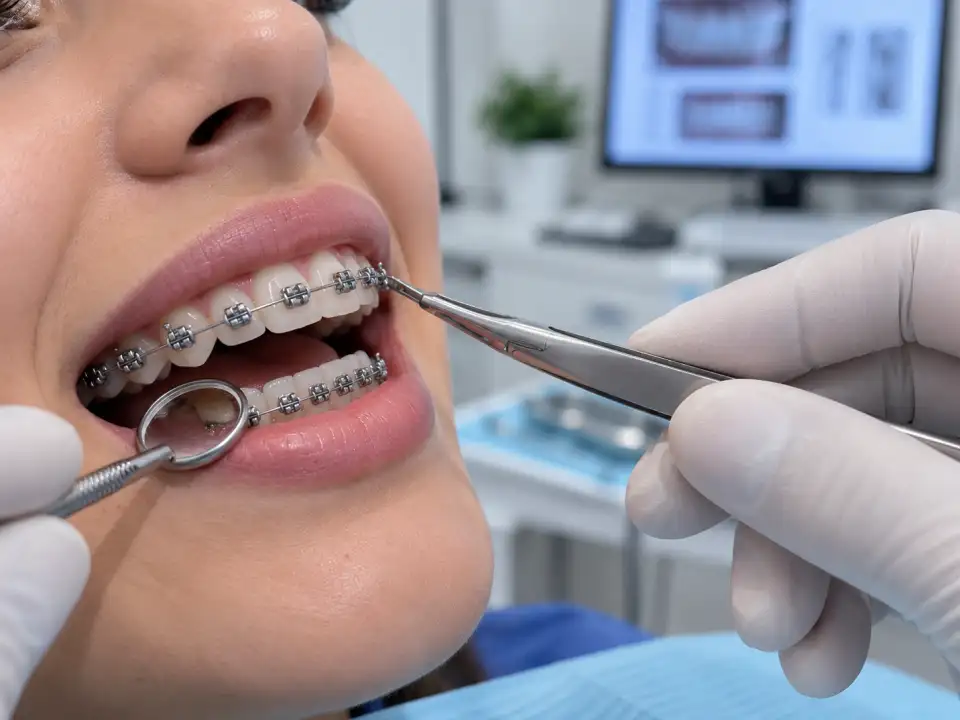
Dental braces are orthodontic appliances used to gradually move teeth and improve their alignment. Traditional braces generally consist of:
- Orthodontic brackets attached to the teeth
- An archwire connecting the brackets
- Elastic ties or other components where required
- Additional orthodontic appliances in selected cases
Gentle controlled forces are applied over time to move teeth toward their planned positions. The exact treatment design depends on tooth alignment, jaw relationship, bite, available space and individual treatment goals.
What Is Orthodontic Treatment?
Orthodontics is the area of dentistry concerned with diagnosing and managing problems involving tooth alignment and bite relationships. Orthodontic treatment may be used to address:
- Crooked teeth
- Crowded teeth
- Gaps between teeth
- Protruding teeth
- Overbite
- Underbite
- Crossbite
- Open bite
- Rotated teeth
- Uneven dental alignment
- Selected jaw and bite relationships
Not every patient requires the same orthodontic appliance or treatment approach.
How Do Teeth Braces Work?
Braces gradually move teeth by applying carefully controlled forces over time. he orthodontic wire interacts with brackets attached to the teeth. As treatment progresses, adjustments help guide teeth toward their planned positions. Movement occurs gradually because the bone and tissues supporting the teeth need time to adapt. This is why orthodontic treatment normally takes months rather than producing an immediate change.
Types of Teeth Braces
There are several types of orthodontic appliances, and availability depends on the clinical situation.
Metal Braces
Traditional metal braces use brackets and wires attached to the front surfaces of the teeth. They are one of the most established forms of fixed orthodontic treatment and may be used for many different alignment and bite problems.
Ceramic or Clear Braces
Ceramic braces use tooth-coloured or less noticeable brackets. They work on similar orthodontic principles to conventional fixed braces while offering a more discreet appearance.
Lingual Braces
Lingual braces are positioned behind the teeth rather than on their visible front surfaces. They are less visible from the front but require specific treatment planning and are not suitable for every orthodontic case.
Clear Aligners
Clear removable aligners provide another orthodontic option for selected patients. Unlike fixed braces, aligners can be removed for eating and oral hygiene. Whether fixed braces or aligners are appropriate depends on the complexity of tooth movement and individual treatment requirements.
Braces for Adults
Orthodontic treatment is not limited to children or teenagers. Adult teeth braces may be considered for patients who have:
- Crowded teeth
- Gaps
- Crooked teeth
- Bite problems
- Teeth that have shifted over time
- Previous orthodontic relapse
Age alone does not determine whether braces can be used. The condition of the teeth, gums and supporting bone also needs to be assessed.
Braces for Children and Teenagers
Children and teenagers commonly undergo orthodontic assessment while the teeth and jaws are developing. The appropriate age for braces is not exactly the same for everyone. Factors considered include:
- Which permanent teeth have erupted
- Tooth alignment
- Jaw development
- Bite relationship
- Available space
- Growth stage
- Complexity of the orthodontic problem
Some patients require monitoring before active treatment begins.
What Is the Best Age for Braces?
There is no single best age for braces for every patient. Many orthodontic treatments are carried out during the teenage years because permanent teeth have erupted and growth may still be occurring. However, adults can also undergo orthodontic treatment where the teeth and supporting tissues are suitable. An examination determines whether treatment should begin now or be monitored first.
Braces for Crooked Teeth
Crooked teeth can occur because of limited space, tooth size, eruption patterns, genetics and other factors. Braces can gradually reposition crooked or rotated teeth to improve alignment. The amount of movement required and treatment duration depend on the severity of the problem.
Braces for Crowded Teeth
Dental crowding occurs when there is insufficient space for the teeth to align properly. Braces may be used to move crowded teeth into improved positions. Treatment planning may involve creating or managing space using different orthodontic techniques depending on the individual case.
Braces for Gaps Between Teeth
Braces can also be used to close certain gaps between teeth. The cause of the spacing should first be assessed because gaps can result from tooth size, missing teeth, tooth position or other dental factors. The treatment approach depends on the cause and amount of spacing.
Braces for Overbite
An overbite describes the vertical overlap between the upper and lower front teeth. Some degree of overlap is normal, but excessive overbite may require orthodontic assessment. Braces and other orthodontic appliances may be used to improve tooth positions and bite relationships where appropriate.
Braces for Underbite
An underbite occurs when the lower front teeth sit further forward relative to the upper front teeth. The treatment approach depends on whether the problem mainly involves tooth position, jaw relationships or a combination of both. Some cases can be managed orthodontically, while more complex jaw-related cases may require additional treatment planning.
Braces for Crossbite
A crossbite occurs when certain upper teeth bite inside the lower teeth rather than outside them. Orthodontic treatment may be used to correct selected crossbites and improve tooth alignment and bite relationships.
Braces for Open Bite
An open bite occurs when some upper and lower teeth do not meet when the mouth is closed. Treatment depends on the position of the teeth, jaw relationship and other contributing factors.
Teeth Braces Procedure
Orthodontic Assessment
Treatment begins with an examination of the teeth, bite and gums. Dental photographs, X-rays, impressions or digital scans may be required depending on the treatment plan.
Treatment Planning
The dentist evaluates:
- Tooth position
- Crowding or spacing
- Bite
- Available space
- Gum health
- Jaw relationship
- Treatment goals
An appropriate orthodontic approach is then planned.
Placement of Braces
For fixed braces, brackets are attached to the teeth and connected using an orthodontic wire.
Regular Adjustments
Patients return for scheduled reviews and adjustments as the teeth gradually move.
Removal of Braces
Once the planned tooth movements have been achieved, the braces are removed.
Retention
A retainer is usually required after active orthodontic treatment to help maintain the new tooth positions.
Do Teeth Braces Hurt?
Patients frequently ask, “Do teeth braces hurt?”
Placement itself may not necessarily be painful, but temporary pressure or tenderness is common after braces are first fitted or adjusted. The teeth may feel sensitive while adapting to orthodontic forces. The brackets or wires can also initially irritate the cheeks or lips. Orthodontic wax and appropriate care can help manage some appliance-related irritation.
How Long Do Teeth Braces Stay On?
The duration of orthodontic treatment differs considerably between patients. Treatment time depends on:
- Amount of crowding
- Number of teeth requiring movement
- Bite relationship
- Type of braces
- Age and biological response
- Whether space needs to be created
- Complexity of tooth movement
- Patient cooperation
- Appointment attendance
Some cases are relatively straightforward, while more complex orthodontic treatment can take considerably longer.
Teeth Braces Before and After
Braces before-and-after results depend on the original alignment and complexity of the case. Orthodontic treatment may improve:
- Tooth alignment
- Crowding
- Gaps
- Certain bite relationships
- Smile appearance
Results vary between patients, so another patient's before-and-after result should not be interpreted as a guaranteed outcome.
Teeth Braces and Tooth Extraction
Not every patient needs teeth removed before braces. Extraction may sometimes be considered when there is significant crowding, limited space or another orthodontic reason. The decision should be based on detailed treatment planning rather than automatically removing teeth for orthodontic treatment.
Braces vs Clear Aligners
Both fixed braces and clear aligners can move teeth, but they work differently.
Fixed braces:
- Remain attached to the teeth throughout treatment
- Can provide continuous orthodontic forces
- May be appropriate for a wide range of tooth movements
Clear aligners:
- Are removable
- Need consistent patient wear
- May be more discreet
- Are suitable for selected orthodontic cases
The appropriate option depends on the required tooth movements rather than appearance alone.
Teeth Braces vs Retainer
Braces and retainers have different functions. Braces actively move teeth. A retainer is generally used after orthodontic treatment to help keep teeth in their corrected positions. A retainer does not normally replace active braces treatment where substantial tooth movement is required.
Why Is a Retainer Needed After Braces?
Teeth can shift after orthodontic treatment. After braces are removed, the supporting tissues need time to adapt to the new tooth positions. Wearing a retainer as instructed helps reduce unwanted movement after treatment. Long-term retention recommendations vary according to the orthodontic case.
Can Teeth Move Again After Braces?
Yes. Teeth can gradually shift after orthodontic treatment, particularly when retainers are not worn as advised. Natural changes in the mouth can also occur throughout life. Retention is therefore an important part of orthodontic treatment.
How to Brush Teeth With Braces
Fixed braces create additional areas where food and plaque can collect. Patients should carefully clean:
- Above the brackets
- Below the brackets
- Around the wires
- Between the teeth
- Along the gum line
An appropriate toothbrush, interdental brush or other cleaning aids may be recommended. Good oral hygiene is particularly important during braces treatment.
Flossing With Braces
Flossing around fixed braces may take more time because the orthodontic wire can make access more difficult. Special flossing aids or interdental brushes may make cleaning easier. Maintaining effective plaque control helps protect the teeth and gums throughout treatment.
Eating With Braces
Certain hard or sticky foods can damage orthodontic brackets and wires. Patients may be advised to avoid or modify foods that could break the appliance. If a bracket or wire becomes loose or damaged, contact the dental clinic for advice.
Rubber Bands and Elastics for Braces
Some orthodontic treatment plans use rubber bands or elastics to apply additional forces between the upper and lower teeth. Patients should wear elastics according to the instructions given for their individual treatment. Incorrect or inconsistent use can affect treatment progress.
Braces and MRI
Most conventional dental braces do not automatically prevent a patient from undergoing an MRI. However, orthodontic metal can sometimes affect imaging of areas close to the face and jaws. Patients should always inform the MRI provider about braces or other dental appliances before imaging.
Side Effects and Risks of Braces
Orthodontic treatment requires regular care and good oral hygiene. Potential concerns can include:
- Temporary tooth tenderness
- Gum irritation
- Plaque buildup
- White marks or decay when cleaning is poor
- Gum inflammation
- Appliance breakage
- Unwanted tooth movement
- Root changes in some cases
- Relapse after treatment
Appropriate assessment, regular follow-up and good oral hygiene help manage orthodontic risks.
Can Braces Damage Teeth?
Braces themselves are designed to move teeth in a controlled way. However, poor oral hygiene around brackets can increase the risk of plaque accumulation, gum inflammation, staining or tooth decay. This is why cleaning and regular dental monitoring are important throughout orthodontic treatment.
DIY and At-Home Braces
Do not attempt to make, fit, tighten or remove braces yourself at home. DIY braces, elastic bands placed without professional supervision and attempts to move teeth without appropriate diagnosis can damage teeth, gums and supporting tissues. Orthodontic treatment should be planned and monitored professionally.
Teeth Braces Cost in Pakistan
The cost of teeth braces in Pakistan varies depending on the orthodontic treatment required. Factors affecting braces cost may include:
- Type of braces
- Complexity of tooth movement
- Treatment duration
- Number of appointments
- Additional orthodontic appliances
- Whether extractions or other dental treatment are required
- Retainers after treatment
An examination and treatment plan are required before an accurate braces cost can be determined.
Braces and Orthodontics in Rawalpindi
Patients looking for teeth braces in Rawalpindi can visit Brush & Floss Dental Clinic, located at: Shop G-14, Bhatti Arcade Plaza, Tulsa Road, Rawalpindi
Our location is conveniently accessible for patients coming from Lalazar, Lalazar Colony, New Lalazar, Dheri Hassanabad, Tahli Mohri, Tahli Mohri Chowk, Sher Zaman Colony, Dhok Huma, Khatana, Ashraf Colony, Kamalabad, Kamalabad Chowk, Harley Street, Dhok Saiydan, Quaid-e-Azam Colony, Khayaban Villas, Ahmedabad, Kotha Khurd, Dhok Jumma, Adiala Road, Rawalpindi Cantt, Baqir Colony, Raja Akram Colony, Gulshan-e-Zaheer and Gulshan-e-Iqbal/Lalazar side. Patients searching for teeth braces near Lalazar, braces near New Lalazar, orthodontic treatment near Adiala Road, braces near Dheri Hassanabad, teeth straightening near Tahli Mohri, braces near Kamalabad, braces near Harley Street Rawalpindi or orthodontic treatment near Rawalpindi Cantt can conveniently visit our Tulsa Road clinic.
Frequently Asked Questions
What are teeth braces used for?
Braces are used to gradually reposition teeth and improve problems such as crowding, spacing, crooked teeth and certain bite relationships.
What types of braces are available?
Orthodontic options can include conventional metal braces, ceramic braces, lingual braces and clear aligners depending on the case.
Are braces painful?
Temporary pressure or tenderness is common after braces are fitted or adjusted, but the experience differs between patients.
How long do braces take?
Treatment duration depends on tooth alignment, bite, treatment complexity and biological response. There is no single treatment time for everyone.
Can adults get braces?
Yes. Adults can undergo orthodontic treatment if their teeth, gums and supporting tissues are suitable.
What is the best age for braces?
There is no universal best age. Timing depends on permanent tooth eruption, growth, alignment and the orthodontic problem being treated.
Can braces close gaps?
Braces can close many types of spaces between teeth, although the cause of the gap should first be assessed.
Can braces fix an overbite?
Braces can help manage many overbite cases, although treatment depends on whether the problem involves tooth position, jaw relationships or both.
Do all braces patients need extractions?
No. Extraction is required only in selected cases when indicated by orthodontic treatment planning.
Are braces better than clear aligners?
Both can be effective for appropriate cases. The suitable option depends on the tooth movements required and individual treatment needs.
Do I need a retainer after braces?
Retention is commonly required after braces because teeth can move again after active orthodontic treatment.
Can braces damage teeth?
Poor oral hygiene around braces can increase the risk of plaque accumulation, gum inflammation, staining and decay. Good cleaning is therefore essential.
Can I have an MRI with braces?
In many situations an MRI can still be performed, but patients should always tell the imaging provider that they are wearing orthodontic appliances.
How much do teeth braces cost in Rawalpindi?
The cost depends on the type of braces, treatment complexity, expected duration and additional procedures required. An orthodontic assessment is needed for an individual treatment plan and quotation.
Braces and Orthodontic Assessment in Rawalpindi
For assessment of crooked teeth, gaps, crowding, overbite, underbite or other orthodontic concerns, contact: Brush & Floss Dental Clinic, Phone / Appointment: 0316-8539478, Address: Shop G-14, Bhatti Arcade Plaza, Tulsa Road, Rawalpindi
Braces and Orthodontics Questions
Who is Braces and Orthodontics suitable for?
Braces and Orthodontics suitability depends on a dental examination, symptoms, oral health history and the treatment goal discussed with the clinic team.
How do I book Braces and Orthodontics at Brush & Floss?
Call +92 316 8539478 or use the website booking option to ask about availability, timing and any preparation needed before your visit.
Will the price for Braces and Orthodontics be confirmed online?
The final price is confirmed after the clinic understands the case, materials, session timing and treatment needs.