Dental Crowns in Rawalpindi
A badly broken, weakened, heavily restored or significantly worn tooth may need more protection than a regular filling can provide. A dental crown is a custom-made restoration designed to cover the visible portion of...
Available Dental Crowns Services
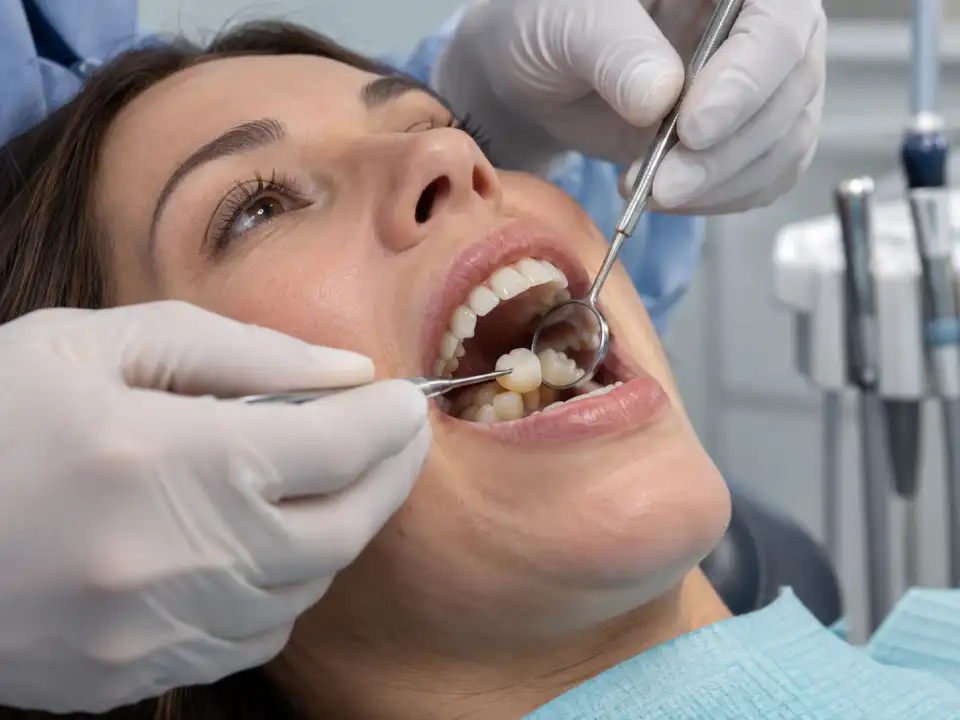
About Dental Crowns in Rawalpindi
At Brush & Floss Dental Clinic, patients looking for dental crowns in Rawalpindi can visit our clinic at Shop G-14, Bhatti Arcade Plaza, Tulsa Road, Rawalpindi for dental assessment and crown treatment planning. Dental crowns, zirconia crowns, E-max crowns, front-tooth crowns, crown procedure, crown cost, crown lifespan, crown replacement and comparisons with fillings, veneers, bridges and root canal treatment.
What Is a Dental Crown?
A dental crown, sometimes called a dental cap, is a restoration that covers the visible part of a tooth. It may be recommended when the remaining natural tooth requires more extensive coverage than a direct filling can provide. A crown can help:
- Restore a broken tooth
- Strengthen a weakened tooth
- Cover a heavily restored tooth
- Restore worn tooth structure
- Improve the shape of a selected tooth
- Protect certain teeth after root canal treatment
- Restore a dental implant when used as an implant crown
- Improve appearance in selected cosmetic cases
The need for a crown depends on how much healthy tooth structure remains and the condition of the tooth.
When Is a Dental Crown Needed?
A dental crown may be considered when a tooth has:
- A large cavity
- A large existing filling
- Significant fracture or breakage
- Extensive wear
- Weak remaining tooth structure
- Previous root canal treatment
- Aesthetic concerns affecting shape or appearance
- A damaged existing crown
- Severe loss of tooth structure
Not every damaged tooth requires a crown. Some teeth can be restored with a filling, bonding, onlay or another suitable treatment.
Dental Crowns for Broken Teeth
A significantly broken tooth may not have enough remaining structure for a conventional filling alone. A crown can cover and reinforce the remaining tooth where appropriate. Before treatment, the dentist evaluates:
- Amount of natural tooth remaining
- Depth of the fracture
- Condition of the dental pulp
- Existing decay
- Bite forces
- Gum and bone condition
If the tooth cannot be predictably restored, another treatment may need to be considered.
Types of Dental Crowns
Your Ubersuggest data contains strong interest in types of dental crowns, crown materials, zirconia, E-max, porcelain and metal crowns.
Zirconia Dental Crowns
Zirconia crowns are made from a strong ceramic material and are widely used for dental restorations. They may be considered for both front and back teeth depending on the clinical situation. Potential advantages can include:
- High strength
- Tooth-coloured appearance
- Good durability
- No visible traditional metal framework
The appropriate type of zirconia depends on the tooth and aesthetic requirements.
E-Max Dental Crowns
E-Max crowns are ceramic restorations commonly associated with good aesthetics and translucency. They may be considered when appearance is particularly important, especially in suitable front-tooth cases. Whether E-Max is appropriate depends on bite forces, remaining tooth structure and treatment requirements.
Porcelain Dental Crowns
Porcelain-based crowns are used where a natural tooth-like appearance is important. Different ceramic systems have different strengths and aesthetic characteristics. The dentist chooses the material according to the individual tooth and treatment requirements.
Porcelain-Fused-to-Metal Crowns
A porcelain-fused-to-metal crown, often referred to as a PFM crown, combines a metal substructure with tooth-coloured porcelain. These crowns have been widely used for many years. The suitability of PFM compared with newer ceramic options depends on the patient's specific situation.
Metal and Gold Crowns
Metal crowns can provide strong restorations, particularly where appearance is less important. Gold or other dental alloys have historically been used for selected restorations. Material selection should consider:
- Tooth position
- Bite forces
- Aesthetic expectations
- Available tooth structure
- Cost
- Individual treatment requirements
Zirconia vs E-Max Dental Crowns
Patients frequently compare zirconia vs E-Max crowns. There is no single material that is ideal for every tooth. Zirconia is commonly selected when greater strength is important. E-Max may be considered when highly aesthetic ceramic characteristics are desirable. The choice depends on the position of the tooth, bite, thickness available for the restoration and cosmetic requirements.
Zirconia vs PFM Crowns
Both zirconia and porcelain-fused-to-metal crowns can be used to restore teeth. Zirconia avoids a traditional metal framework, while PFM crowns combine porcelain with metal. Factors that influence the choice include:
- Tooth location
- Strength requirements
- Appearance
- Gum position
- Existing bite
- Available tooth structure
Dental Crowns for Front Teeth
Front-tooth dental crowns require particular attention to colour, shape, size and overall smile appearance. Crowns may be considered for a front tooth that is:
- Broken
- Significantly discoloured
- Heavily restored
- Structurally weakened
- Irregularly shaped
- Damaged following previous dental treatment
The objective is to restore the tooth while achieving an appearance that blends appropriately with neighbouring teeth.
Dental Crowns for Back Teeth and Molars
Back teeth experience stronger chewing forces than front teeth. A crown may be recommended for a molar when extensive decay, fracture, large restorations or other structural damage has weakened the tooth. The crown material is selected according to the amount of remaining tooth structure and chewing forces.
Dental Crown Procedure
1. Dental Examination
The tooth is examined to determine whether it can be restored with a crown. An X-ray may sometimes be required to assess:
- Tooth roots
- Remaining tooth structure
- Decay
- Previous root canal treatment
- Surrounding bone
2. Tooth Preparation
The tooth is shaped as required to create sufficient space for the crown. Local anaesthetic may be used where appropriate.
3. Impression or Digital Scan
An impression or digital scan records the prepared tooth and surrounding teeth so the crown can be designed.
4. Temporary Crown
In treatments requiring laboratory fabrication, a temporary crown may be placed while the final restoration is prepared.
5. Final Crown Placement
The completed crown is checked for:
- Fit
- Bite
- Shape
- Contact with neighbouring teeth
- Appearance
It is then fixed to the prepared tooth using appropriate dental cement.
How Long Does a Dental Crown Procedure Take?
The time required depends on:
- Tooth condition
- Need for additional treatment
- Crown material
- Digital or conventional workflow
- Whether laboratory fabrication is required
Some crown treatments require more than one appointment, while certain digital systems may allow different workflows.
Do Dental Crowns Hurt?
Crown treatment is generally performed with appropriate pain control when needed.
Local anaesthetic may be used while the tooth is prepared.
Patients may experience some temporary:
- Gum tenderness
- Tooth sensitivity
- Bite awareness
- Mild discomfort
Persistent, severe or worsening pain should be reviewed.
Dental Crown After Root Canal Treatment
A crown and a root canal are different treatments. Root canal treatment addresses the pulp and root canal system inside the tooth. A crown restores and protects the remaining outer tooth structure. Some root-canal-treated teeth may benefit from crown coverage because they have lost significant tooth structure, but a crown is not automatically identical to root canal treatment.
Can You Get a Crown Without a Root Canal?
Yes, a crown does not automatically require root canal treatment. Many teeth receive crowns while the pulp remains healthy. Whether root canal treatment is needed depends on the condition of the dental pulp, decay, fracture and other clinical findings.
Dental Crown vs Filling
A filling repairs a smaller or more localised area of damaged tooth structure. A crown covers a much larger portion of the tooth. A crown may be considered when there is insufficient healthy tooth structure for a predictable direct filling.
Dental Crown vs Veneer
A dental crown generally covers substantially more of the tooth. A veneer primarily covers the front surface and is usually considered for selected cosmetic situations. Which option is appropriate depends on:
- Amount of tooth damage
- Remaining enamel
- Existing restorations
- Bite
- Cosmetic goals
Dental Crown vs Implant
A crown and dental implant are not the same thing. A crown on a natural tooth covers an existing tooth. A dental implant replaces a missing tooth root and may support an implant crown. If the natural tooth can be predictably restored, crown treatment and implant treatment represent different clinical situations.
Dental Crown vs Bridge
A crown usually restores an individual tooth. A dental bridge is designed to replace one or more missing teeth and may use crowns or other supports as part of the restoration.
Dental Crowns vs Composite Bonding
Composite bonding uses tooth-coloured resin directly on the tooth. It may be appropriate for selected smaller repairs or cosmetic changes. A crown provides more extensive coverage when greater structural restoration is required.
How Long Do Dental Crowns Last?
The lifespan of a dental crown varies. Factors that can affect longevity include:
- Crown material
- Condition of the underlying tooth
- Bite forces
- Tooth grinding
- Oral hygiene
- Diet
- Gum health
- Quality of crown fit
- Accidents or trauma
A crown should not automatically be considered a lifetime restoration. Regular dental examinations help monitor both the crown and the tooth underneath it.
Can a Dental Crown Fall Out?
Yes. A crown can occasionally become loose or come off. Possible reasons include:
- Cement breakdown
- Decay underneath the crown
- Fracture of the supporting tooth
- Heavy bite forces
- Tooth grinding
- Damage to the restoration
Crowns falling out, crown replacement and crown repair. If a crown comes off, keep it safe and arrange a dental examination rather than permanently gluing it back yourself.
Can a Dental Crown Be Repaired?
Some minor crown problems may be repairable, while other damaged crowns need replacement. The appropriate option depends on:
- Type of damage
- Crown material
- Condition of the tooth underneath
- Fit of the crown
- Presence of decay
Replacing an Old Dental Crown
A crown may need replacement if it:
- Breaks
- Becomes loose
- Develops recurrent decay underneath
- No longer fits correctly
- Produces persistent bite problems
- Has significant wear
- No longer provides an acceptable restoration
The tooth should be assessed before a replacement crown is planned.
Can You Get a Cavity Under a Crown?
Yes. A crown itself cannot develop dental decay, but the natural tooth underneath and around the crown margin can. Good brushing, interdental cleaning and dental reviews remain important after crown placement.
Can Dental Crowns Stain?
Different crown materials behave differently. Ceramic crowns are generally more resistant to staining than natural teeth, but surface deposits and changes in surrounding natural teeth can affect overall appearance.
Can Dental Crowns Be Whitened?
Existing crown materials do not whiten in the same way as natural tooth enamel. If you are considering teeth whitening and a visible crown, treatment planning should consider the final colour of both the natural teeth and restoration.
Dental Crown Aftercare
After crown treatment:
- Follow the dentist's instructions
- Avoid chewing while anaesthesia is still active
- Brush normally around the crown
- Clean between the teeth
- Avoid repeatedly biting very hard objects
- Report persistent pain or bite problems
- Attend recommended dental reviews
What Can I Eat After a Dental Crown?
The advice depends on whether you have a temporary or final crown and whether local anaesthetic was used. If the mouth remains numb, avoid chewing until normal sensation returns to reduce accidental biting of the cheek, lip or tongue. Follow any crown-specific instructions provided after treatment.
What If My Crown Feels Too High?
A crown should fit comfortably into the bite. If the restored tooth feels like it contacts first when you bite, the crown may require bite adjustment. Persistent discomfort when chewing should be assessed.
Dental Crowns and MRI
Most dental crowns do not automatically prevent MRI imaging. However, patients should tell the imaging team about all dental restorations and appliances before a scan. Certain metallic materials may affect imaging close to the mouth or facial region.
Dental Crowns During Pregnancy
Patients who are pregnant should inform the dentist about their pregnancy and medical history. The timing and need for crown treatment can then be considered based on:
- Dental condition
- Urgency
- Stage of pregnancy
- Other required procedures
- Individual medical circumstances
Dental Crowns for Children
Dental crowns may be used in selected children when a tooth requires greater restoration than a conventional filling can provide. The crown type and treatment approach depend on:
- Child's age
- Baby or permanent tooth
- Extent of decay
- Remaining tooth structure
- Expected lifespan of the tooth
Dental Crown Cost
The cost of dental crowns varies according to the individual tooth and restoration required. Factors can include:
- Type of crown
- Zirconia, ceramic, PFM or other material
- Front or back tooth
- Amount of tooth preparation required
- Need for additional dental treatment
- Existing root canal treatment
- Need for post or core buildup
- Laboratory or digital fabrication requirements
Because different crown materials have different clinical and aesthetic characteristics, an examination is necessary before an accurate price can be provided.
Dental Crowns in Rawalpindi
Patients looking for dental crowns in Rawalpindi can visit Brush & Floss Dental Clinic at: Shop G-14, Bhatti Arcade Plaza, Tulsa Road, Rawalpindi
Our clinic is conveniently accessible for patients coming from Lalazar, Lalazar Colony, New Lalazar, Dheri Hassanabad, Tahli Mohri, Tahli Mohri Chowk, Sher Zaman Colony, Dhok Huma, Khatana, Ashraf Colony, Kamalabad, Kamalabad Chowk, Harley Street, Dhok Saiydan, Quaid-e-Azam Colony, Khayaban Villas, Ahmedabad, Kotha Khurd, Dhok Jumma, Adiala Road, Rawalpindi Cantt, Baqir Colony, Raja Akram Colony, Gulshan-e-Zaheer and Gulshan-e-Iqbal/Lalazar side. Patients searching for dental crowns near Lalazar, tooth crown near New Lalazar, dentist for crowns near Adiala Road, zirconia crown near Dheri Hassanabad, dental crown near Tahli Mohri, tooth crown near Kamalabad, dental crowns near Harley Street Rawalpindi or crown treatment near Rawalpindi Cantt can conveniently visit our Tulsa Road clinic.
Frequently Asked Questions
What is a dental crown?
A dental crown is a restoration placed over the visible part of a suitable tooth to restore its shape, strength and function.
Is a crown the same as a cap?
Yes. “Dental cap” is a commonly used term for a dental crown.
Does getting a crown hurt?
Local anaesthesia may be used during tooth preparation. Temporary sensitivity or tenderness may occur afterward.
Which type of dental crown is best?
There is no single crown material that is best for every tooth. The choice depends on tooth position, bite forces, appearance and remaining tooth structure.
Is zirconia better than E-Max?
Both materials have advantages. Zirconia is often selected for strength, while E-Max may be considered where aesthetic ceramic characteristics are especially important.
Do I need a root canal before a crown?
Not always. Root canal treatment is only needed when the dental pulp condition indicates it.
How long does a crown last?
Crown longevity varies according to material, bite, oral hygiene, tooth condition and other factors.
Can a crown fall out?
Yes. A loose or detached crown should be professionally assessed.
Can a crowned tooth get a cavity?
The natural tooth underneath and around the crown margin can still develop decay.
Can crowns be whitened?
Crowns do not whiten like natural teeth.
Can an old crown be replaced?
Yes, when clinically appropriate. The supporting tooth must first be assessed.
Can crowns be used on front teeth?
Yes. Crowns may be used for suitable front teeth where structural or aesthetic restoration is required.
What is the dental crown price in Rawalpindi?
The price depends on crown material, tooth condition, treatment complexity and whether additional dental treatment is required.
Dental Crown Assessment in Rawalpindi
For assessment of a broken, weakened, heavily restored or previously root-canal-treated tooth, contact:
Brush & Floss Dental Clinic
Phone / Appointment: 0316-8539478
Address: Shop G-14, Bhatti Arcade Plaza, Tulsa Road, Rawalpindi
Dental Crowns Questions
Who is Dental Crowns suitable for?
Dental Crowns suitability depends on a dental examination, symptoms, oral health history and the treatment goal discussed with the clinic team.
How do I book Dental Crowns at Brush & Floss?
Call +92 316 8539478 or use the website booking option to ask about availability, timing and any preparation needed before your visit.
Will the price for Dental Crowns be confirmed online?
The final price is confirmed after the clinic understands the case, materials, session timing and treatment needs.