Dental Veneers in Rawalpindi
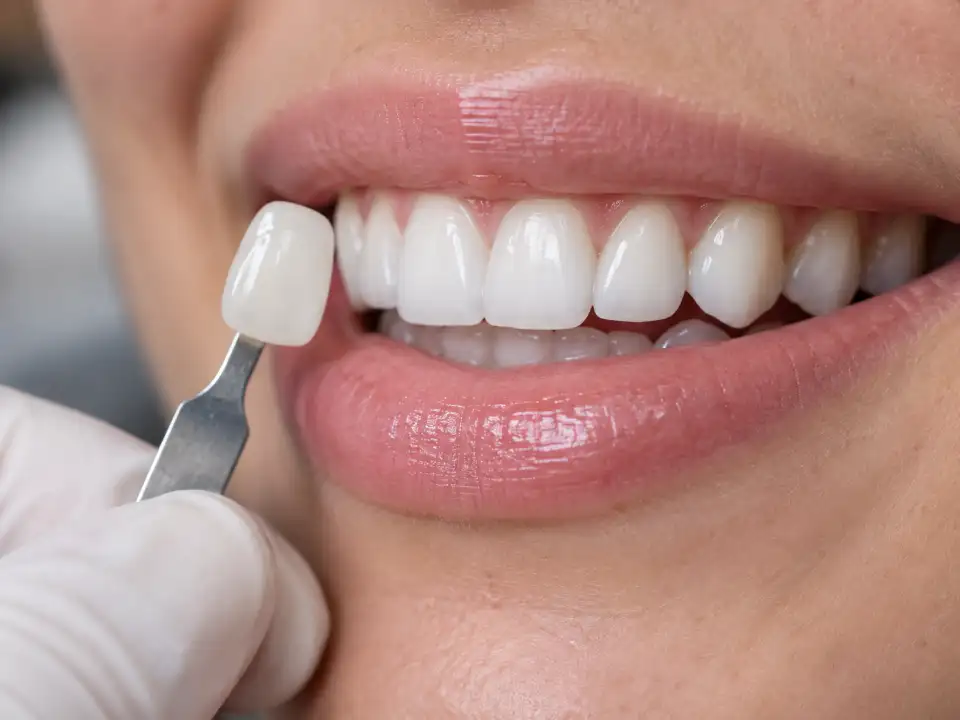
Dental veneers are thin, custom-made restorations placed over the front surface of suitable teeth to improve their shape, colour, size, proportion or overall appearance. Veneers are commonly considered for visible...
Available Dental Veneers Services
About Dental Veneers in Rawalpindi
At Brush & Floss Dental Clinic, patients looking for dental veneers in Rawalpindi can visit our clinic at Shop G-14, Bhatti Arcade Plaza, Tulsa Road, Rawalpindi for examination, smile assessment and cosmetic dental treatment planning. Visit American Dental Association for MouthHealthy: Veneers
What Are Dental Veneers?
A dental veneer is a thin restoration bonded to the visible front surface of a natural tooth. Veneers are primarily cosmetic restorations for existing teeth. They are not replacements for missing teeth in the way that dental implants, bridges or dentures are. Depending on the individual case, veneers may help improve:
- Tooth colour and staining
- Small chips or worn edges
- Uneven tooth shape
- Small spaces or gaps between teeth
- Mild differences in tooth size
- Selected minor alignment concerns
- Overall symmetry of visible front teeth
A dental examination is necessary because not every cosmetic concern is best treated with veneers.
Dental Veneers for Front Teeth
Veneers are most commonly associated with visible front teeth because these teeth have a major influence on smile appearance. Treatment planning considers the patient's:
- Tooth shape
- Tooth colour
- Smile line
- Lip position
- Gum levels
- Existing bite
- Tooth proportions
- Number of teeth visible while smiling
The number of veneers required varies between patients. Some may be considering one or two teeth, while others may require assessment of several visible teeth to achieve balanced proportions.
Veneers for Tooth Gaps
Veneers can sometimes be used to reduce the appearance of a small gap between front teeth, including selected cases of midline spacing. The teeth are assessed to determine whether closing the space with veneers would maintain suitable proportions. Larger gaps or spacing associated with tooth-position or bite problems may require orthodontic treatment instead.
Veneers for Crooked Teeth
Veneers can sometimes improve the appearance of mildly uneven or slightly misaligned teeth, but they do not move teeth in the same way braces or clear aligners do. Patients with significant crowding, rotation or bite problems may be better assessed for orthodontic treatment before considering veneers. Your keyword data includes specific demand around dental veneers for crooked teeth, gaps and midline diastema.
Veneers for Chipped or Worn Teeth
A veneer may be considered for a suitable front tooth with:
- Small chips
- Worn edges
- Uneven shape
- Cosmetic surface defects
The amount of remaining healthy tooth structure is important when selecting between a veneer, composite bonding or a dental crown.
Veneers for Discoloured Teeth
Veneers may be considered when the appearance of tooth colour cannot be adequately managed with whitening alone. However, the cause of discoloration should first be assessed. Depending on the condition, alternatives may include: Teeth whitening, composite bonding, veneers or crowns.
Types of Dental Veneers
Porcelain Veneers
Porcelain veneers are laboratory-made restorations designed to cover the visible surface of a tooth. They are commonly selected for cosmetic dental treatment because ceramic materials can reproduce tooth-like colour and translucency.
E-Max Veneers
E-Max veneers are ceramic restorations made from lithium-disilicate material. They may be considered for selected cosmetic cases where appearance, tooth position, preparation requirements and bite are appropriate.
Composite Veneers
Composite veneers use tooth-coloured composite resin that is applied and shaped on the tooth. Depending on the case, composite treatment may require less tooth preparation than some indirect ceramic veneer techniques. Composite may also be discussed for: Small chips, gaps, reshaping, colour improvement and selected cosmetic changes. Composite and porcelain treatments have different advantages, limitations, maintenance requirements and longevity.
Ceramic and Porcelain Veneers
Ceramic materials may be used for indirect veneers fabricated outside the mouth and then bonded to the teeth. Material selection depends on factors including: Tooth colour, amount of available enamel, bite forces, veneer thickness, tooth position and cosmetic requirements.
Zirconia Veneers
Zirconia is another ceramic material used in dentistry, although its suitability for thin veneer restorations depends on the individual case and restorative design. A particular veneer material should be selected after clinical assessment rather than simply choosing the strongest material.
Laminate Veneers
The term dental laminate is often used to describe thin cosmetic restorations bonded to the front surfaces of teeth. In everyday dental searches, “laminate veneers” and “porcelain veneers” may sometimes be used to describe similar cosmetic treatment concepts.
Dental Veneer Procedure
Dental veneer treatment generally begins with an examination of the teeth, gums and bite. The dentist then discusses the desired cosmetic changes and assesses whether veneers are suitable. Depending on the treatment, records such as photographs, impressions or digital scans may be taken. For some ceramic veneers, a small amount of tooth structure may need to be prepared. An impression or digital record is then used to create the restoration. At the fitting appointment, the veneer is assessed for fit, shape, shade and bite before it is bonded to the tooth. The exact process varies according to whether the treatment involves composite, porcelain, E-Max or another suitable veneer system.
Do Veneers Require Tooth Shaving?
Some veneers require preparation of the tooth surface. The amount of preparation varies according to: Tooth position, tooth size, veneer material, required colour change, desired shape and existing enamel. “Minimal-preparation” or “no-prep” veneers may be possible in selected situations, but they are not suitable for every patient. Veneers should not automatically be promoted as “no shaving” without first assessing whether that approach would create appropriate tooth proportions and bite.
Are Veneers Permanent?
Veneers are generally considered a long-term restorative treatment, particularly when tooth structure has been prepared. They should not be viewed as a temporary cosmetic covering that can always be removed without consequence. If tooth preparation has occurred, the tooth will normally continue to require a restoration in the future.
Can Dental Veneers Be Removed?
In some circumstances, an existing veneer can be removed by a dentist. Whether the tooth can simply remain without another restoration depends on how much tooth preparation was originally performed. For this reason, veneer treatment should be carefully considered before proceeding.
How Long Do Dental Veneers Last?
The lifespan of veneers varies. Factors that can affect longevity include: Veneer material, amount of healthy enamel available for bonding, bite forces, tooth grinding, oral hygiene, diet, accidents and maintenance. No veneer should be guaranteed to last for life.
Can Veneers Fall Off?
A veneer can occasionally loosen, debond or fracture. Possible contributing factors include: Heavy bite forces, teeth grinding, trauma, bonding failure, underlying tooth changes or damage to the restoration. A loose or detached veneer should be professionally assessed rather than permanently reattached using household glue.
Can Veneers Get Cavities?
The veneer itself does not develop tooth decay, but the natural tooth underneath and around the veneer can still develop cavities. Decay can occur around veneer margins if plaque accumulates or oral hygiene is poor. Regular brushing, interdental cleaning and dental reviews remain important after veneer treatment.
Can Veneers Stain?
Ceramic veneers generally behave differently from natural tooth enamel and composite resin in relation to staining. Composite restorations may develop surface staining or colour changes over time. Natural teeth surrounding veneers can also change colour, potentially creating a shade difference.
Can Veneers Be Whitened?
Traditional tooth-whitening products do not whiten ceramic veneers in the same way they whiten natural tooth enamel.
For this reason, patients considering both whitening and veneers may benefit from planning the sequence of cosmetic treatments before the final veneer shade is selected.
Veneers and Gum Disease
Healthy gums are important before cosmetic veneer treatment. Patients with active gum inflammation or periodontal disease may need the gum condition addressed before veneers are considered. Changes in gum levels can also affect the appearance of existing veneer margins. Your search data includes direct interest in veneers with gum disease and gum recession.
Veneers and Bad Breath
Veneers themselves should not automatically cause bad breath. However, plaque and food accumulation around poorly cleaned restoration margins or gum inflammation can contribute to oral odour. Persistent bad breath should be assessed to identify the actual cause rather than assuming the veneer itself is responsible.
Are Veneers Painful?
Some patients may experience temporary sensitivity after tooth preparation or veneer placement. Local anaesthetic may be used when appropriate during preparation. Persistent, severe or worsening pain after veneer treatment should be evaluated.
Are Dental Veneers Safe?
Veneers are established restorative treatments when used appropriately. However, treatment involves potential considerations such as: Tooth preparation, temporary sensitivity, veneer fracture, debonding, future replacement and possible changes to the underlying tooth or gums. Proper case selection is therefore important.
Veneers Before and After
The visible change produced by veneers depends on the original teeth and the treatment goals. Veneers may alter: Tooth shape, colour, proportions, visible gaps, symmetry and the appearance of selected chips or wear. Before-and-after results vary between patients and should not be treated as guaranteed outcomes.
Veneers vs Composite Bonding
Both treatments can improve selected cosmetic concerns. Composite bonding uses tooth-coloured resin applied directly to the tooth. Veneers may involve composite or laboratory-made ceramic restorations covering more of the front tooth surface. Bonding may be suitable for smaller cosmetic changes, while veneers may be considered where broader alteration of tooth shape or colour is required. The appropriate treatment depends on the individual teeth.
Veneers vs Dental Crowns
A veneer mainly covers the visible front surface of a tooth. A dental crown surrounds a greater portion of the tooth and is usually considered when more extensive structural coverage is required. A heavily damaged, weakened or extensively restored tooth may require a crown rather than a veneer.
Veneers vs Teeth Whitening
Teeth whitening changes the colour of suitable natural teeth without covering them. Veneers cover the front surface of the tooth and can modify both colour and shape. Where the main concern is staining alone, whitening may sometimes be considered before restorative cosmetic treatment.
Veneers vs Braces or Clear Aligners
Braces and clear aligners move teeth. Veneers change the visible surface and shape of teeth but do not provide orthodontic tooth movement. Patients with significant crowding, rotation or bite problems may require orthodontic assessment instead of using veneers simply to camouflage tooth position.
Veneers vs Dental Implants
These treatments solve different problems. A veneer covers an existing natural tooth. A dental implant replaces a missing tooth root and can support a crown. Veneers are therefore not a substitute for implants when a tooth is missing.
Veneers vs Dentures
Veneers improve the surfaces of existing teeth. Dentures replace missing teeth. Patients without a natural tooth cannot normally use a veneer to replace that missing tooth.
Veneer Maintenance
Veneers still require regular oral care. Patients should maintain effective brushing and cleaning between the teeth, avoid using teeth to open packaging or bite extremely hard objects, and seek assessment if a veneer becomes loose or damaged. Patients who grind their teeth may require separate assessment because heavy grinding can increase stress on cosmetic restorations.
Veneers Price in Pakistan
The veneers price in Pakistan depends on the individual treatment and type of restoration. Your keyword data shows direct commercial demand for veneers price in Pakistan, dental veneers price in Pakistan, veneers cost in Pakistan and veneers teeth price in Pakistan. Cost can vary according to the number of teeth being treated, composite or ceramic material, laboratory requirements, amount of tooth preparation, existing dental condition and whether other dental treatment is required first. A single veneer and a multi-tooth smile treatment will therefore not have the same cost. An examination is necessary before an individual quotation can be provided.
Dental Veneers in Rawalpindi
Patients looking for dental veneers in Rawalpindi can visit Brush & Floss Dental Clinic at: Shop G-14, Bhatti Arcade Plaza, Tulsa Road, Rawalpindi
Our Tulsa Road clinic is conveniently accessible for patients visiting from Lalazar, Lalazar Colony, New Lalazar, Dheri Hassanabad, Tahli Mohri, Tahli Mohri Chowk, Sher Zaman Colony, Dhok Huma, Khatana, Ashraf Colony, Kamalabad, Kamalabad Chowk, Harley Street, Dhok Saiydan, Quaid-e-Azam Colony, Khayaban Villas, Ahmedabad, Kotha Khurd, Dhok Jumma, Adiala Road, Rawalpindi Cantt, Baqir Colony, Raja Akram Colony, Gulshan-e-Zaheer and Gulshan-e-Iqbal/Lalazar side. Patients searching for dental veneers near Lalazar, veneers near New Lalazar, cosmetic veneers near Adiala Road, veneers near Dheri Hassanabad, veneers near Tahli Mohri, dental veneers near Kamalabad, veneers near Harley Street Rawalpindi or dental veneers near Rawalpindi Cantt can conveniently visit our Tulsa Road clinic.
Frequently Asked Questions About Dental Veneers
What are dental veneers?
Dental veneers are thin restorations bonded to the front surfaces of suitable natural teeth to improve their shape, colour, proportions or appearance.
Are veneers permanent?
Veneers are intended as a long-term treatment. When tooth preparation is required, the treated tooth will generally continue to require a restoration in the future.
How long do veneers last?
Veneer longevity varies according to material, bite, oral hygiene, tooth grinding, bonding conditions and maintenance.
Do veneers damage natural teeth?
Some veneer techniques require removal of a small amount of tooth structure, while selected cases may require minimal preparation. The amount depends on the individual tooth and treatment plan.
Can veneers fix gaps between teeth?
Veneers may close selected small gaps where suitable tooth proportions can be maintained.
Can veneers fix crooked teeth?
Veneers may camouflage mild irregularities, but they do not move teeth. Significant crowding or bite problems may require orthodontic treatment.
Can veneers get cavities?
Natural tooth structure around and underneath a veneer can still develop decay.
Can veneers be whitened?
Ceramic veneers do not respond to conventional tooth whitening in the same way natural teeth do.
Can veneers fall off?
Yes, veneers can occasionally debond or fracture and should be professionally assessed if this occurs.
Are veneers painful?
Treatment may cause temporary sensitivity in some patients. Persistent or significant pain requires evaluation.
Which is better: composite or porcelain veneers?
Neither material is automatically appropriate for everyone. Selection depends on the desired change, tooth condition, bite, preparation requirements and treatment plan.
Are veneers better than crowns?
Veneers and crowns have different indications. Veneers mainly cover the front surface, while crowns provide more extensive tooth coverage.
Are veneers suitable if I have gum disease?
Active gum disease or inflammation should generally be assessed and managed before elective cosmetic veneer treatment.
How many veneers do I need?
The number depends on which teeth are visible when smiling, tooth proportions and the cosmetic change being planned.
How much do veneers cost in Rawalpindi?
The cost depends on the number of teeth, veneer material, laboratory work, amount of tooth preparation and any additional treatment required.
Book a Dental Veneer Assessment in Rawalpindi
For assessment of tooth colour, shape, gaps, minor chips, uneven front teeth or other cosmetic dental concerns, contact: Brush & Floss Dental Clinic
Phone / Appointment: 0316-8539478
Address: Shop G-14, Bhatti Arcade Plaza, Tulsa Road, Rawalpindi
Dental Veneers Questions
What are dental veneers and what problems can they improve?
Dental veneers are thin restorations bonded to the front surface of suitable natural teeth. They may be used to improve tooth colour, shape, small chips, uneven proportions and selected gaps between teeth.
How long do dental veneers last?
The lifespan of dental veneers varies depending on the material, bite forces, oral hygiene, tooth grinding and maintenance. Porcelain and composite veneers have different longevity and repair needs, so regular dental reviews are important.
How much do dental veneers cost in Rawalpindi?
The dental veneers cost in Rawalpindi depends on the number of teeth being treated, whether composite or ceramic veneers are used, laboratory requirements, tooth preparation and any additional dental treatment needed before veneers are placed.