Wisdom Tooth Extraction Rawalpindi
Wisdom teeth, also called third molars, usually develop at the back of the mouth. Some wisdom teeth erupt normally and do not cause problems, while others may become partially erupted, impacted, difficult to clean...
Available Wisdom Tooth Extraction Services
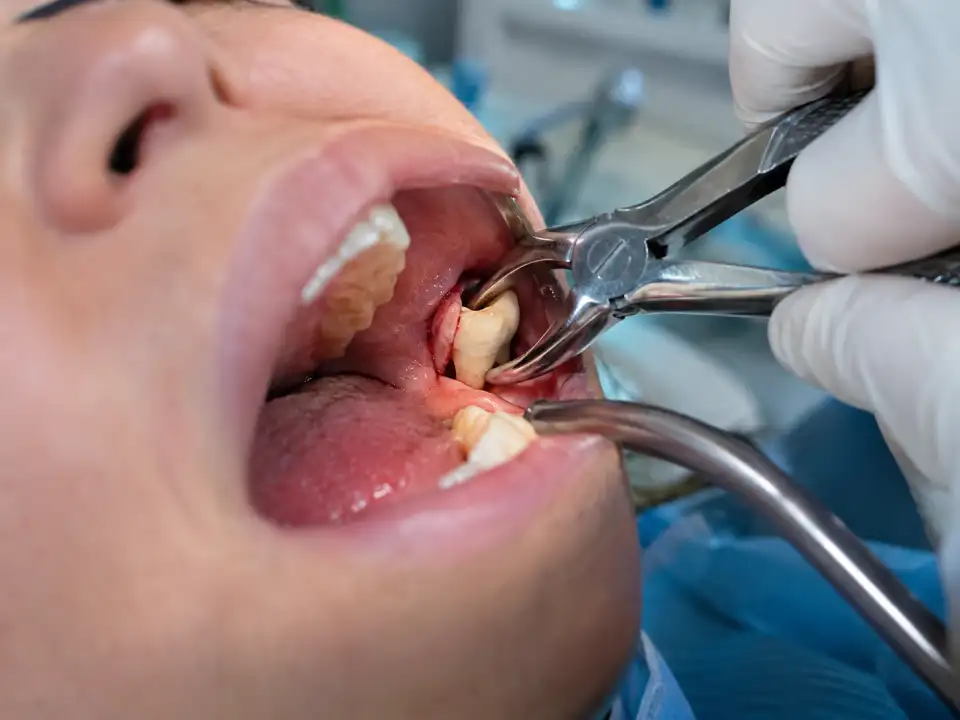
About Wisdom Tooth Extraction in Rawalpindi
At Brush & Floss Dental Clinic, patients looking for wisdom tooth extraction in Rawalpindi can visit our clinic at Shop G-14, Bhatti Arcade Plaza, Tulsa Road, Rawalpindi for assessment, dental X-rays when required, treatment planning and tooth removal where clinically appropriate. Visit American Dental Association – MouthHealthy: Wisdom Teeth
What Is Wisdom Tooth Extraction?
Wisdom tooth extraction is the removal of a third molar from the upper or lower jaw. Depending on the position of the tooth, removal may be:
- A straightforward extraction
- A surgical extraction
- Removal of a fully erupted wisdom tooth
- Removal of a partially erupted wisdom tooth
- Removal of an impacted wisdom tooth
The appropriate technique depends on the tooth position, root shape, surrounding bone and relationship with nearby anatomical structures.
When Does a Wisdom Tooth Need Extraction?
Not every wisdom tooth needs to be removed. Extraction may be considered when a wisdom tooth is associated with:
- Repeated pain
- Gum swelling
- Recurrent infection around the tooth
- Tooth decay
- Difficulty cleaning the area
- Damage to the neighbouring tooth
- Impacted or partially erupted position
- Food trapping
- Cysts or other pathology in selected cases
- Significant problems related to eruption
A clinical examination and, where appropriate, dental imaging help determine whether extraction is indicated.
Impacted Wisdom Tooth
An impacted wisdom tooth is a wisdom tooth that has not erupted normally into the mouth. It may be:
- Completely covered by gum
- Partially erupted
- Partly covered by bone
- Positioned at an angle
- Pressing toward another tooth
Impacted teeth do not automatically require removal, but extraction may be recommended when they are causing or are associated with dental problems.
Partially Erupted Wisdom Tooth
A partially erupted wisdom tooth may leave a flap of gum around part of the tooth. Food and plaque can collect in this area, making it difficult to clean. This can contribute to:
- Gum inflammation
- Pain
- Swelling
- Bad taste
- Recurrent infection
The condition should be examined before deciding whether cleaning, monitoring or extraction is appropriate.
Upper Wisdom Tooth Extraction
Upper wisdom teeth can sometimes be removed using a straightforward extraction when they are fully erupted. Treatment planning considers:
- Root shape
- Tooth position
- Surrounding bone
- Nearby sinus anatomy
- Degree of eruption
Dental imaging may be used when appropriate.
Lower Wisdom Tooth Extraction
Lower wisdom teeth may require more detailed assessment because some roots can lie close to nerves in the lower jaw. The dentist may evaluate:
- Tooth angle
- Depth of impaction
- Root shape
- Amount of surrounding bone
- Relationship with nearby nerves
More complex cases may require surgical management or referral depending on the clinical findings.
Simple vs Surgical Wisdom Tooth Extraction
Simple Wisdom Tooth Extraction
A straightforward extraction may be possible when the wisdom tooth has erupted sufficiently and can be removed without significant surgical access.
Surgical Wisdom Tooth Extraction
A surgical wisdom tooth extraction may be required when the tooth is:
- Impacted
- Partially erupted
- Covered by gum or bone
- Broken below the gumline
- Positioned in a way that prevents routine extraction
Surgical removal may involve opening the gum and, where necessary, removing a small amount of surrounding bone or dividing the tooth into sections.
Wisdom Tooth Extraction Procedure
1. Dental Examination
The dentist examines:
- The wisdom tooth
- Surrounding gums
- Neighbouring teeth
- Swelling or infection
- Available space
- Bite
- Oral health
2. Dental X-Ray if Required
Imaging may help assess:
- Tooth position
- Root shape
- Depth of impaction
- Surrounding bone
- Relationship with nearby structures
3. Anaesthesia
Local anaesthetic is commonly used to numb the treatment area. The exact anaesthesia or sedation approach depends on the individual case and treatment setting.
4. Tooth Removal
A fully erupted tooth may sometimes be removed directly. For impacted teeth, surgical access may be required.
5. Socket Cleaning
The extraction site is checked and cleaned as appropriate.
6. Stitches if Required
Some surgical extraction sites may require stitches. Not every wisdom tooth extraction requires sutures.
7. Post-Extraction Instructions
The patient receives instructions regarding:
- Bleeding
- Food
- Cleaning
- Smoking
- Physical activity
- Pain management
- Warning signs
Is Wisdom Tooth Extraction Painful?
The treatment area is normally numbed before extraction. Patients may feel pressure or movement during the procedure, but significant sharp pain should be reported immediately. After the anaesthetic wears off, temporary soreness, swelling and discomfort are common, especially following surgical removal.
Is Wisdom Tooth Extraction Safe?
Wisdom tooth extraction is a commonly performed dental procedure, but like any dental or surgical treatment, it has potential risks. These may include:
- Pain
- Swelling
- Bleeding
- Infection
- Dry socket
- Temporary jaw stiffness
- Damage to nearby structures
- Nerve-related altered sensation in selected lower wisdom tooth cases
- Sinus-related complications in selected upper-tooth cases
Risk depends on the tooth position and individual anatomy.
Wisdom Tooth Extraction Recovery
Recovery differs between patients. The first few days commonly involve the greatest amount of swelling and tenderness. Healing then continues gradually as the socket and surrounding tissues recover.
Wisdom Tooth Extraction Healing Stages
Healing generally occurs progressively.
First 24 Hours
A blood clot forms in the socket and bleeding gradually settles.
First Few Days
Temporary swelling, tenderness and jaw stiffness may occur.
Following Week
Symptoms generally begin improving as the soft tissues heal.
Later Healing
The gum continues closing while deeper bone healing takes longer.
The exact timeline varies depending on the complexity of extraction and individual healing.
How Long Does Wisdom Tooth Extraction Take to Heal?
Initial soft-tissue recovery often occurs over days to a few weeks, while deeper healing of the extraction socket takes longer. Healing can vary according to:
- Simple or surgical extraction
- Tooth position
- General health
- Smoking
- Oral hygiene
- Infection
- Post-operative care
Persistent or worsening symptoms should be reviewed.
Bleeding After Wisdom Tooth Extraction
A small amount of blood or blood-stained saliva can occur after an extraction. A blood clot needs to form in the socket for normal healing. If bleeding is heavy, persistent or does not respond to the instructions provided by the dentist, contact the dental clinic for assessment.
Swelling After Wisdom Tooth Extraction
Temporary swelling is common after surgical wisdom tooth removal. Swelling may become more noticeable during the early recovery period before gradually improving. Increasing swelling accompanied by fever, worsening pain, difficulty swallowing or other concerning symptoms should be assessed.
What Is Dry Socket?
Dry socket can occur when the protective blood clot in an extraction socket is lost or breaks down before adequate healing takes place. Symptoms may include:
- Increasing pain after initial improvement
- Pain spreading toward the ear or jaw
- Unpleasant taste
- Bad breath
- An extraction socket that appears relatively empty
Dry socket requires professional assessment and treatment.
How to Reduce the Risk of Dry Socket
Follow the post-extraction instructions provided. Important precautions commonly include:
- Avoid disturbing the socket
- Avoid forceful rinsing early in healing
- Avoid smoking or vaping during the healing period
- Avoid using a straw until advised it is safe
- Keep the mouth clean according to instructions
What to Eat After Wisdom Tooth Extraction
During the early recovery period, softer foods are generally easier to manage. Examples may include:
- Yogurt
- Soft eggs
- Mashed vegetables
- Soup that is not excessively hot
- Soft rice
- Smooth foods
- Other easy-to-chew meals
Gradually return to normal food as comfort and healing allow.
When Can I Eat After Wisdom Tooth Extraction?
Eating may usually resume once it is safe and comfortable after the procedure, but numbness should be considered to avoid accidentally biting the lips, cheeks or tongue. Begin with softer foods and follow the specific post-operative instructions provided.
When Can I Eat Solid Food?
The transition back to solid food depends on:
- Pain
- Swelling
- Surgical complexity
- Number of teeth removed
- Location of extraction
- Individual healing
Food should be reintroduced gradually rather than according to a single fixed timeline for every patient.
Using a Straw After Wisdom Tooth Extraction
Suction can disturb the blood clot in a healing socket. For this reason, patients are commonly advised to avoid using straws during the early healing period and follow the dentist's instructions regarding when they can safely resume.
Smoking After Wisdom Tooth Extraction
Smoking and vaping can interfere with healing and may increase the risk of complications such as dry socket. Avoid smoking during the recovery period according to the post-operative advice provided.
Alcohol After Wisdom Tooth Extraction
Alcohol may interfere with healing and can also interact with some medications. Follow the specific advice provided regarding alcohol after extraction.
Brushing After Wisdom Tooth Extraction
Oral hygiene remains important, but the extraction site should be treated carefully. Patients may be instructed to:
- Brush the other teeth normally
- Avoid directly traumatizing the fresh socket
- Follow instructions regarding rinsing
- Gradually resume normal cleaning as healing progresses
Stitches After Wisdom Tooth Extraction
Stitches may be used after some surgical extractions. Depending on the type of suture, they may:
- Dissolve naturally
- Require removal at a follow-up visit
The patient should follow the instructions given for the specific type of stitches used.
Wisdom Tooth Extraction and Infection
Possible signs that may require dental review include:
- Increasing swelling
- Worsening pain
- Fever
- Pus or discharge
- Persistent unpleasant taste
- Difficulty opening the mouth that worsens
- Difficulty swallowing
- Persistent bleeding
These symptoms should not be ignored.
Wisdom Tooth Extraction and Nerve Risk
Some lower wisdom teeth can lie close to nerves that provide sensation to parts of the lower lip, chin or tongue. The relationship between the tooth roots and nearby nerves may be assessed using dental imaging. Risk varies significantly according to individual anatomy.
Wisdom Tooth Extraction During Pregnancy
Dental treatment during pregnancy requires individual assessment. If wisdom tooth pain or infection occurs during pregnancy, tell the dentist:
- How many weeks pregnant you are
- Current medications
- Relevant medical history
The timing, imaging and medication plan can then be considered appropriately.
Wisdom Tooth Extraction With High Blood Pressure or Medical Conditions
Tell the dentist about:
- High blood pressure
- Diabetes
- Heart conditions
- Kidney or liver conditions
- Bleeding disorders
- Current medications
- Blood-thinning medicines
- Allergies
Medical history can affect extraction planning, anaesthesia and post-operative care.
Wisdom Tooth Extraction vs Regular Tooth Extraction
A regular tooth extraction may involve removing any tooth that cannot or should not be retained. Wisdom tooth extraction specifically refers to removal of a third molar. Wisdom teeth are more likely to require surgical removal when impacted or poorly positioned.
Wisdom Tooth Extraction vs Root Canal Treatment
A root canal treatment aims to retain an existing tooth by treating infection or inflammation inside the tooth. Extraction removes the entire tooth. For wisdom teeth, the decision depends on:
- Tooth position
- Restorability
- Function
- Decay
- Infection
- Access
- Condition of surrounding tissues
Extraction should not automatically be chosen when a tooth could predictably be retained without first considering the clinical situation.
Wisdom Tooth Extraction vs Filling
A filling repairs suitable tooth structure affected by decay or damage. Extraction removes the tooth. If a wisdom tooth is accessible and restorable, treatment options may differ from a severely damaged or impacted tooth.
Wisdom Tooth Extraction vs Coronectomy
A coronectomy is a different surgical approach sometimes considered for selected lower wisdom teeth where the roots are very close to important nerves. It involves removing the crown of the tooth while intentionally leaving selected roots. Whether this is appropriate requires individual assessment and should not be assumed for every impacted wisdom tooth.
Do All Wisdom Teeth Need Removal?
No. A wisdom tooth that is:
- Healthy
- Fully erupted
- Functional
- Easy to clean
- Not damaging neighbouring structures
may simply be monitored. Removal is generally based on clinical indications rather than the presence of a wisdom tooth alone.
Wisdom Tooth Extraction Cost in Pakistan
The wisdom tooth extraction cost in Pakistan can vary according to:
- Simple or surgical extraction
- Fully erupted or impacted tooth
- Upper or lower wisdom tooth
- Tooth position
- Root anatomy
- Dental X-rays required
- Surgical complexity
- Stitches where required
- Number of wisdom teeth being treated
- Additional dental treatment
A straightforward extraction and a complex impacted wisdom tooth removal will not necessarily have the same cost. An examination is required before an accurate individual price can be provided.
Wisdom Tooth Extraction in Tulsa Road, Rawalpindi
Patients looking for wisdom tooth extraction in Rawalpindi can visit Brush & Floss Dental Clinic at: Shop G-14, Bhatti Arcade Plaza, Tulsa Road, Rawalpindi
Our Tulsa Road clinic is conveniently accessible for patients coming from Lalazar, Lalazar Colony, New Lalazar, Dheri Hassanabad, Tahli Mohri, Tahli Mohri Chowk, Sher Zaman Colony, Dhok Huma, Khatana, Ashraf Colony, Kamalabad, Kamalabad Chowk, Harley Street, Dhok Saiydan, Quaid-e-Azam Colony, Khayaban Villas, Ahmedabad, Kotha Khurd, Dhok Jumma, Adiala Road, Rawalpindi Cantt, Baqir Colony, Raja Akram Colony, Gulshan-e-Zaheer and Gulshan-e-Iqbal/Lalazar side. Patients searching for wisdom tooth extraction near Lalazar, wisdom tooth removal near New Lalazar, impacted wisdom tooth extraction near Adiala Road, tooth extraction near Dheri Hassanabad, wisdom tooth extraction near Tahli Mohri, tooth removal near Kamalabad, wisdom tooth extraction near Harley Street Rawalpindi or tooth extraction near Rawalpindi Cantt can conveniently reach our Tulsa Road clinic.
Frequently Asked Questions About Wisdom Tooth Extraction
What is wisdom tooth extraction?
Wisdom tooth extraction is the removal of a third molar from the upper or lower jaw when removal is clinically indicated.
Does every wisdom tooth need to be removed?
No. Healthy, functional and problem-free wisdom teeth may not require extraction.
Is wisdom tooth extraction painful?
The area is normally numbed during treatment. Temporary soreness and swelling can occur afterward, especially after surgical extraction.
What is an impacted wisdom tooth?
An impacted wisdom tooth has not erupted normally and may remain partly or completely beneath the gum or bone.
Is wisdom tooth extraction surgery?
Some wisdom teeth can be removed with a straightforward extraction, while impacted or difficult teeth may require surgical extraction.
How long does wisdom tooth extraction take?
The procedure time depends on the tooth's position, root anatomy and whether a simple or surgical extraction is required.
How long does wisdom tooth extraction take to heal?
Early recovery generally occurs over days to weeks, while deeper socket and bone healing continues for longer.
What can I eat after wisdom tooth extraction?
Soft, easy-to-chew foods are generally preferred during early recovery, followed by gradual return to normal food as comfort improves.
When can I use a straw after wisdom tooth extraction?
Straws are usually avoided during early healing because suction may disturb the blood clot. Follow the specific instructions provided after treatment.
What is dry socket?
Dry socket is a painful post-extraction complication associated with loss or breakdown of the protective blood clot in the socket.
Can wisdom tooth extraction cause nerve damage?
Some lower wisdom teeth lie close to nerves. The individual risk depends on root position and anatomy and can be assessed before surgery.
Can I have wisdom tooth extraction while pregnant?
Urgent dental problems can require treatment during pregnancy, but timing, imaging, medication and procedure planning should be individualized.
How much does wisdom tooth extraction cost in Rawalpindi?
Cost depends on whether the tooth is erupted or impacted, whether simple or surgical removal is needed, the tooth position and treatment complexity.
Book a Wisdom Tooth Assessment in Rawalpindi
For assessment of wisdom tooth pain, swelling, partially erupted wisdom teeth, impacted wisdom teeth or recurrent gum infection, contact:
Brush & Floss Dental Clinic
Phone / Appointment: 0316-8539478
Address: Shop G-14, Bhatti Arcade Plaza, Tulsa Road, Rawalpindi
Wisdom Tooth Extraction Questions
Who is Wisdom Tooth Extraction suitable for?
Wisdom Tooth Extraction suitability depends on a dental examination, symptoms, oral health history and the treatment goal discussed with the clinic team.
How do I book Wisdom Tooth Extraction at Brush & Floss?
Call +92 316 8539478 or use the website booking option to ask about availability, timing and any preparation needed before your visit.
Will the price for Wisdom Tooth Extraction be confirmed online?
The final price is confirmed after the clinic understands the case, materials, session timing and treatment needs.