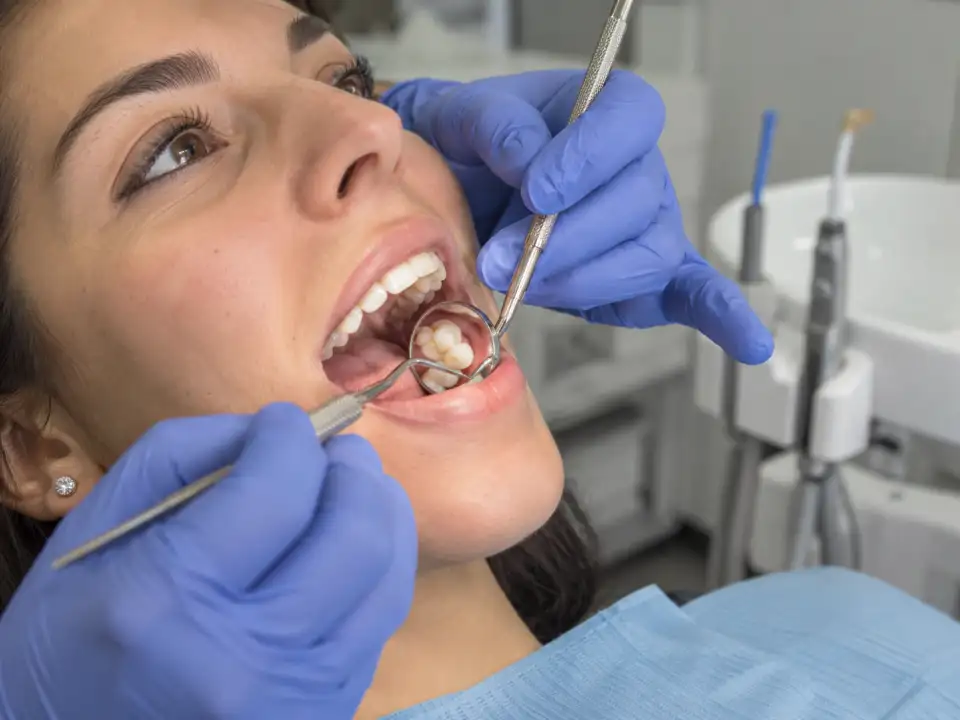
Professional Dental Fillings in Rawalpindi
A cavity, chipped tooth, broken filling or small area of tooth damage can become more difficult to manage if left untreated. Dental filling treatment in Rawalpindi is used to restore suitable damaged teeth, replace missi...
- Cavity and tooth assessment
- Restoration planning
- Comfort-focused filling placement
- Bite check and aftercare
About Dental Fillings in Rawalpindi
A cavity, chipped tooth, broken filling or small area of tooth damage can become more difficult to manage if left untreated. Dental filling treatment in Rawalpindi is used to restore suitable damaged teeth, replace missing tooth structure and help protect the affected area from further deterioration. At Brush & Floss Dental Clinic, patients looking for a tooth filling in Rawalpindi can visit our clinic at Shop G-14, Bhatti Arcade Plaza, Tulsa Road, Rawalpindi for examination and restorative dental treatment. Tooth filling, filling price in Rawalpindi, tooth filling near me, cavity filling, filling procedure, pain, aftercare, composite fillings and replacement of failed fillings.
Tooth Filling Treatment in Rawalpindi
A tooth filling is used to restore an area of a tooth that has been damaged by decay, wear, a small fracture or another suitable dental problem. The damaged or decayed portion of the tooth is removed as appropriate, and the resulting space is restored with a dental filling material. A filling can help:
- Restore tooth shape
- Repair suitable cavities
- Rebuild small damaged areas
- Protect exposed tooth structure
- Improve chewing function
- Repair selected chipped teeth
- Replace a damaged or failed filling
The appropriate treatment depends on how much healthy tooth structure remains.
When Do You Need a Dental Filling?
You may require dental assessment for a filling if you have:
- A visible cavity
- A small hole in a tooth
- Food repeatedly getting stuck in one area
- Sensitivity to sweet, cold or hot foods
- A chipped tooth
- A small fracture
- A worn tooth surface
- A loose or damaged previous filling
- A filling that has fallen out
- Discomfort when chewing
Not every toothache requires a filling, and not every damaged tooth can be restored with one. An examination helps determine whether the tooth needs a filling, root canal treatment, crown or another treatment.
Dental Filling for a Cavity
A cavity filling is one of the most common restorative dental treatments. Dental decay damages the tooth structure. When the cavity is suitable for direct restoration, the affected area is cleaned and restored using an appropriate filling material. Treating decay before extensive tooth structure is lost can sometimes allow a more conservative restoration.
Dental Filling Procedure
1. Dental Examination
The dentist examines the affected tooth and evaluates the amount of decay or damage. An X-ray may sometimes be needed to assess the depth of the cavity and structures that cannot be seen directly.
2. Local Anaesthesia if Required
Local anaesthetic may be used to numb the tooth and surrounding tissues. Whether anaesthesia is needed depends on the tooth, depth of the cavity and individual circumstances.
3. Removal of Decay
Decayed or damaged tooth structure is removed as appropriate.
4. Tooth Preparation
The area is cleaned and prepared for the selected restorative material.
5. Filling Placement
The filling material is placed into the prepared area and shaped to restore the tooth.
6. Bite Check
The dentist checks how the upper and lower teeth meet. If the restoration feels high, it can be adjusted to improve the bite.
How Long Does a Tooth Filling Take?
The time required for a dental filling depends on:
- Size of the cavity
- Number of surfaces involved
- Tooth position
- Filling material
- Number of teeth being restored
- Depth of decay
- Whether additional treatment is required
A small filling may require less time than a large or complex restoration.
Types of Dental Fillings
Different restorative materials may be used depending on the tooth and clinical requirements.
Composite White Fillings
Composite fillings are tooth-coloured restorations commonly used for cavities and selected chipped or damaged teeth. They may be particularly useful where appearance is important.
Amalgam or Silver Fillings
Amalgam is a metallic restorative material that has historically been used for certain back-tooth restorations.
Glass Ionomer Fillings
Glass ionomer cement may be used in selected situations depending on the tooth, cavity position and treatment requirements.
Temporary Fillings
A temporary restoration may be used when further treatment or reassessment is required before a final restoration is placed. Filling materials, composite fillings, amalgam, silver fillings and glass ionomer fillings.
White Composite Tooth Filling
A white tooth filling is designed to blend more naturally with surrounding teeth. Composite material may be considered for:
- Cavities
- Small chipped areas
- Selected fractures
- Front teeth
- Visible areas of back teeth
- Replacement of some older restorations
The final shade and appearance depend on the tooth colour and size of the restoration.
Front Tooth Filling
A front tooth filling may be used to repair:
- A small cavity
- A chipped edge
- A minor fracture
- A damaged previous restoration
Because front teeth are visible when smiling, the shape and shade of the restoration are particularly important.
Filling for a Chipped Tooth
A small chipped tooth may sometimes be repaired with tooth-coloured composite material. Suitability depends on:
- Size of the chip
- Location of the damage
- Condition of the remaining tooth
- Bite forces
- Whether the dental pulp is involved
Larger fractures may require a different restorative approach.
Filling for a Broken Tooth
A filling may be appropriate for some broken teeth when sufficient healthy tooth structure remains. If the tooth is extensively damaged, a dental crown, root canal treatment or another treatment may be required instead.
Does a Tooth Filling Hurt?
Patients frequently search for “does tooth filling hurt” and “is tooth filling painful.” Local anaesthetic can be used where necessary to reduce discomfort during treatment. After the filling, some patients may experience temporary tenderness or sensitivity. The amount of discomfort varies according to the cavity depth, tooth condition and individual sensitivity.
Tooth Sensitivity After Filling
Temporary sensitivity can occur after a filling. The restored tooth may initially react to:
- Cold
- Heat
- Sweet foods
- Pressure
- Biting
Mild sensitivity may settle with time. Persistent, severe or worsening sensitivity should be reviewed because the tooth may require further assessment.
Pain After Tooth Filling
Some discomfort after treatment does not automatically mean that the filling has failed. Possible reasons for post-filling discomfort can include:
- Temporary tooth sensitivity
- Deep decay close to the nerve
- Gum irritation
- Bite pressure
- A restoration that feels too high
- Another underlying dental problem
If pain is severe, spontaneous, worsening or continues unexpectedly, arrange a dental review.
What If the Filling Feels Too High?
A new filling can occasionally feel high when biting. This means the restored tooth may contact the opposing tooth earlier than the surrounding teeth. A dentist can check and adjust the filling if needed. Do not repeatedly ignore discomfort when biting after a new restoration.
Dental Filling Aftercare
After a dental filling:
- Follow the dentist's instructions
- Avoid chewing while the mouth is still numb
- Continue normal oral hygiene
- Brush around the restored tooth
- Clean between the teeth
- Avoid biting hard objects
- Contact the clinic if the filling feels high
- Seek review if significant pain continues
Good oral hygiene remains important because a filled tooth can still develop decay around the restoration.
When Can I Eat After a Tooth Filling?
If local anaesthetic was used, it may be safer to wait until normal sensation returns before chewing. This can reduce the chance of accidentally biting your cheek, tongue or lip. The dentist may provide additional instructions according to the filling material and treatment performed.
How Long Does a Dental Filling Last?
Dental fillings do not all last the same amount of time. Longevity depends on:
- Filling material
- Size of restoration
- Tooth position
- Bite forces
- Grinding or clenching
- Oral hygiene
- Diet
- Remaining tooth structure
Regular dental examinations can help identify worn or damaged restorations.
Can a Tooth Filling Fall Out?
Yes. A dental filling can occasionally loosen, fracture or fall out. Tooth filling falling out, broken fillings, replacement and what to do when a filling comes out. Possible reasons include:
- Recurrent decay
- Heavy bite forces
- Grinding
- Tooth fracture
- Wear of the restoration
- Breakdown around the filling
A lost filling should be professionally assessed rather than permanently repaired using a home filling kit.
What Should I Do If My Filling Falls Out?
If a filling comes out:
- Keep the area clean
- Avoid chewing hard foods on that side
- Avoid placing random adhesives or household materials into the tooth
- Arrange a dental examination
- Seek earlier care if there is significant pain or swelling
The dentist can determine whether the filling can simply be replaced or whether additional treatment is needed.
Can Decay Develop Under a Filling?
Yes. A tooth can develop new decay around the edges or underneath an existing filling. Possible contributing factors include:
- Plaque accumulation
- Leakage around the restoration
- Breakdown of the filling
- Poor oral hygiene
- New decay
A damaged restoration may need replacement after the tooth is assessed.
Replacing an Old Tooth Filling
A filling may need replacement when it becomes:
- Broken
- Loose
- Worn
- Leaking
- Associated with recurrent decay
- Uncomfortable when biting
- Unable to adequately restore the tooth
The dentist evaluates the condition of both the restoration and the remaining natural tooth.
Dental Filling vs Root Canal Treatment
A dental filling and a root canal treatment are not the same procedure. A filling restores damaged tooth structure when the tooth can still be managed with a direct restoration. Root canal treatment treats the dental pulp and root canal system when the pulp is irreversibly inflamed, infected or otherwise requires endodontic treatment. An examination and sometimes an X-ray are needed to determine the appropriate treatment.
Dental Filling vs Crown
A filling repairs a selected damaged part of the tooth. A dental crown provides more extensive coverage and may be considered when the remaining tooth requires greater structural protection. Which treatment is suitable depends on how much tooth structure remains.
Dental Filling vs Extraction
A filling aims to preserve the natural tooth. An extraction removes the tooth. When a tooth can be predictably restored, a filling or another restorative option may be considered before extraction. However, severely damaged teeth may not be suitable for a filling.
Dental Filling vs Composite Bonding
Composite fillings and composite bonding can use similar tooth-coloured material. A filling generally restores tooth structure damaged by decay or fracture. Bonding may also be used for cosmetic modification of tooth shape, selected spaces or minor chips.
Dental Filling for Children
Children can also require dental fillings for cavities. Treatment planning depends on:
- Child's age
- Tooth involved
- Whether it is a baby or permanent tooth
- Size of the cavity
- Cooperation during treatment
- Expected lifespan of the tooth
Dental Filling During Pregnancy
Pregnant patients should inform the dentist before treatment. The dentist can consider:
- Stage of pregnancy
- Urgency of treatment
- Medical history
- Type of restoration required
- Any relevant advice from the patient's healthcare provider
A necessary dental problem should not simply be ignored because of pregnancy.
Are Dental Fillings Safe?
Dental filling materials are selected according to the tooth, restoration requirements and patient's individual situation. The appropriate filling material can vary according to:
- Tooth position
- Cavity size
- Bite forces
- Appearance
- Age
- Existing dental restorations
- Medical considerations
Any specific allergy or material concern should be discussed before treatment.
Dental Fillings and Mercury
Some amalgam fillings contain mercury combined with other metals. Patients with an existing amalgam restoration should not automatically remove it solely because of online concerns. The condition of the filling, tooth and patient's individual circumstances should be assessed before deciding whether replacement is necessary.
Dental Filling and MRI
Most dental filling materials do not automatically prevent MRI imaging. However, patients should inform the imaging team about dental restorations and other dental appliances before undergoing a scan.
Dental Filling Cost in Rawalpindi
The teeth filling price in Rawalpindi varies depending on the tooth and restoration required. Pakistan cost and treatment-cost searches. Factors affecting the cost can include:
- Filling material
- Size of cavity
- Number of tooth surfaces involved
- Front or back tooth
- Number of fillings required
- Complexity of the restoration
- Dental X-rays if required
- Additional dental treatment
An examination is necessary before an individual treatment cost can be confirmed.
Dental Filling Treatment in Tulsa Road, Rawalpindi
Patients looking for dental filling treatment in Rawalpindi can visit Brush & Floss Dental Clinic at:
Shop G-14, Bhatti Arcade Plaza, Tulsa Road, Rawalpindi
Our clinic is conveniently accessible for patients coming from Lalazar, Lalazar Colony, New Lalazar, Dheri Hassanabad, Tahli Mohri, Tahli Mohri Chowk, Sher Zaman Colony, Dhok Huma, Khatana, Ashraf Colony, Kamalabad, Kamalabad Chowk, Harley Street, Dhok Saiydan, Quaid-e-Azam Colony, Khayaban Villas, Ahmedabad, Kotha Khurd, Dhok Jumma, Adiala Road, Rawalpindi Cantt, Baqir Colony, Raja Akram Colony, Gulshan-e-Zaheer and Gulshan-e-Iqbal/Lalazar side.
Patients searching for tooth filling near Lalazar, dental filling near New Lalazar, cavity filling near Adiala Road, dentist for tooth filling near Dheri Hassanabad, white filling near Tahli Mohri, tooth filling near Kamalabad, dental filling near Harley Street Rawalpindi or cavity filling near Rawalpindi Cantt can conveniently reach our Tulsa Road clinic.
Frequently Asked Questions About Dental Fillings
What is a tooth filling?
A tooth filling is a restorative material used to repair a suitable cavity or damaged portion of a tooth.
Does getting a filling hurt?
Local anaesthesia may be used where required. Temporary sensitivity can sometimes occur after treatment.
How long does a tooth filling take?
Treatment time depends on the size and location of the cavity and number of teeth being restored.
Can I eat after a dental filling?
Generally yes, but if local anaesthetic was used, waiting until numbness has resolved may help prevent accidental biting.
How long do dental fillings last?
Longevity varies according to material, restoration size, bite forces, tooth position and oral hygiene.
Can a filling fall out?
Yes. A filling can become loose, break or fall out and should be professionally assessed.
Can a filled tooth get another cavity?
Yes. New decay can occur around or underneath an existing restoration.
Why does my tooth hurt after a filling?
Temporary sensitivity can occur, but persistent or severe pain may need further examination.
What happens if a filling is too high?
A high filling may make the tooth uncomfortable when biting. The bite can be checked and adjusted.
Are white composite fillings available?
Tooth-coloured composite material may be used for many suitable front and back tooth restorations.
Is a filling better than a root canal?
These treatments address different dental conditions. A filling may be sufficient for some cavities, while root canal treatment is required when the pulp condition indicates it.
Can children have tooth fillings?
Yes. Children can receive fillings when clinically appropriate for the affected tooth.
Can I get a filling during pregnancy?
Dental treatment may be provided when appropriate, but pregnancy and medical history should be discussed with the dentist.
How much does a tooth filling cost in Rawalpindi?
Cost depends on the filling material, size of the restoration and treatment complexity. An examination is required for an individual quotation.
Book a Dental Filling Appointment in Rawalpindi
For cavity filling, white composite filling, replacement of a damaged filling or assessment of a chipped tooth, contact:
Brush & Floss Dental Clinic
Phone / Appointment: 0316-8539478
Address: Shop G-14, Bhatti Arcade Plaza, Tulsa Road, Rawalpindi
Why Choose Dental Fillings in Rawalpindi
Dental Fillings in Rawalpindi at Brush & Floss Dental Clinic starts with a clear talk about your goal and current condition. We explain the plan, price, time, and care before you book.
Personalised Planning
Every treatment starts with a short check of what you want to change. The team then picks the right steps, product, and home care for you.
Appointment Experience
During the visit, your specialist explains each main step before starting. We keep you comfortable and check the result before you leave.
Careful Finish
Brush & Floss Dental Clinic uses clean tools and clean clinic care. Book for upkeep, an event, or a first visit. You still get careful care from start to finish.
Dental Fillings Appointment Steps
- Talk and prep: We review your goal, past work, and any limits. Then we set up the right tools for Dental Fillings.
- Care steps: The Dental Fillings process is done with steady care. We adjust the pace, product, and finish as needed.
- Finish and aftercare: We review the result with you. You leave with clear care tips and follow-up advice.
Dental Fillings in Tulsa Road, Rawalpindi & Nearby Areas
Cavities, small fractures and worn tooth areas should be checked early so the tooth can be restored before the damage spreads. Brush & Floss Dental Clinic offers dental fillings in Tulsa Road Rawalpindi at Shop G-14, Bhatti Arcade Plaza, Tulsa Road, Rawalpindi, including consultation for tooth-coloured restorative options where suitable. The clinic is convenient for patients coming from Lalazar, Dheri Hassanabad, Tahli Mohri, Khatana, Ashraf Colony and Kamalabad. People searching for tooth filling near Lalazar, composite filling near Adiala Road or a dentist near Dheri Hassanabad can visit the Tulsa Road clinic for examination and treatment planning. Brush & Floss Dental Clinic also welcomes restorative dental care visits from Rawalpindi Cantt, Dhok Huma and Raja Akram Colony.
Dental Fillings FAQs
Who is Dental Fillings suitable for?
Dental Fillings suitability depends on a dental examination, symptoms, oral health history and the treatment goal discussed with the clinic team.
How do I book Dental Fillings at Brush & Floss?
Call +92 316 8539478 or use the website booking option to ask about availability, timing and any preparation needed before your visit.
Will the price for Dental Fillings be confirmed online?
The final price is confirmed after the clinic understands the case, materials, session timing and treatment needs.