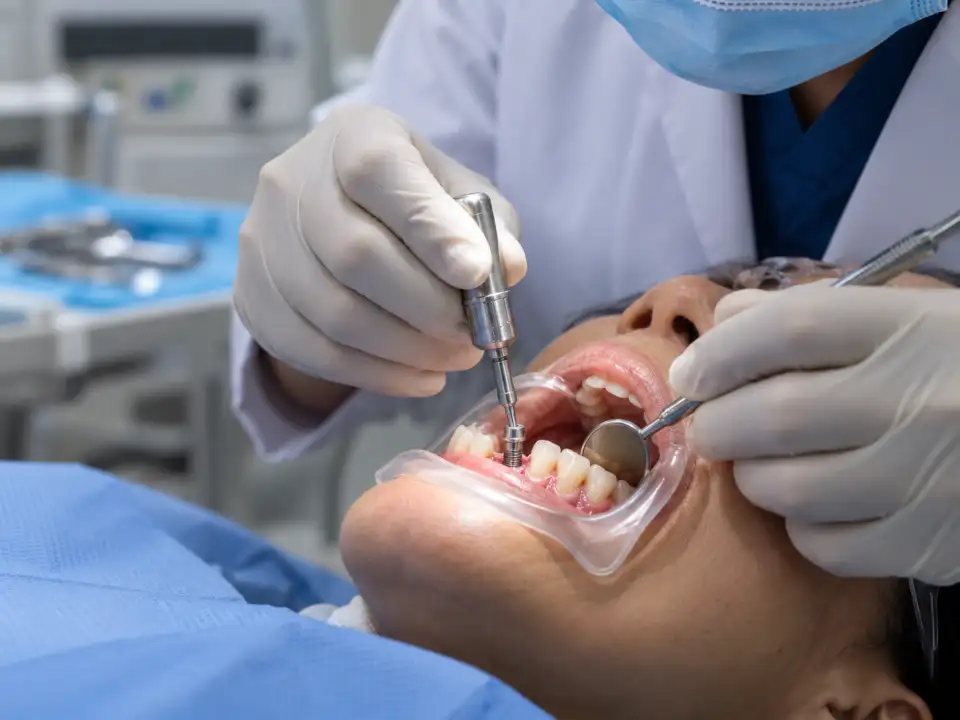
Dental Implant Treatment in Rawalpindi
Missing a tooth can affect more than the appearance of your smile. It may also influence chewing, speech, bite balance and the way neighbouring teeth function. Dental implant treatment in Rawalpindi provides a fixed opti...
- Missing tooth assessment
- Implant suitability guidance
- Treatment timeline discussion
- Restoration and aftercare planning
About Dental Implants in Rawalpindi
Missing a tooth can affect more than the appearance of your smile. It may also influence chewing, speech, bite balance and the way neighbouring teeth function. Dental implant treatment in Rawalpindi provides a fixed option for replacing a missing tooth by placing an artificial tooth root into the jawbone and restoring it with a suitable dental crown or prosthetic restoration. At Brush & Floss Dental Clinic, dental implant assessment and treatment planning are available at Shop G-14, Bhatti Arcade Plaza, Tulsa Road, Rawalpindi. Patients looking for a dental implant in Rawalpindi, dental implants near me, dental implant cost in Rawalpindi, or treatment for a missing tooth can visit the clinic for an individual assessment.
Our Tulsa Road location is convenient for patients coming from Lalazar, New Lalazar, Dheri Hassanabad, Tahli Mohri, Kamalabad, Harley Street, Adiala Road, Rawalpindi Cantt and nearby areas.
What Is Dental Implant Treatment?
A dental implant is a small artificial root that is positioned in the jawbone where a natural tooth is missing. After appropriate healing, it can support a replacement tooth.
A typical dental implant restoration consists of:
- Implant fixture: the part positioned within the jawbone
- Abutment: the connector between the implant and replacement tooth
- Dental crown: the visible artificial tooth placed over the implant
Depending on the patient's needs, implants can also be used to support bridges or certain denture restorations.
The purpose of treatment is to provide stable support for a replacement tooth while restoring function and appearance.
Who May Need a Dental Implant?
Dental implant treatment may be considered when a patient has lost a tooth because of:
- Severe tooth decay
- Previous tooth extraction
- Dental trauma or injury
- Fractured or non-restorable tooth
- Advanced gum-related tooth loss
- Failed previous dental treatment
- Congenitally missing teeth
An implant is not automatically suitable for every missing tooth. The dentist first evaluates the jawbone, gum condition, neighbouring teeth, bite, medical history and overall oral health.
Dental Implant for One Missing Tooth
A single tooth dental implant is commonly considered when one tooth is missing.
Instead of using adjacent teeth to support a conventional bridge, an implant can provide independent support for a replacement crown.
The process normally involves placing the implant in the missing-tooth area, allowing appropriate healing and then restoring the implant with a crown.
Patients searching for one tooth implant, dental implant for one tooth, dental implant one tooth cost, or single tooth implant with crown require an individual examination because treatment requirements vary between sites.
Front Tooth Dental Implant
Losing a front tooth can affect both appearance and confidence.
For a front tooth dental implant, careful planning is required because the appearance of the gum line, implant position, available bone and final crown are especially important.
The dentist evaluates the missing-tooth area and surrounding tissues before deciding whether implant treatment is suitable and how the final restoration should be planned.
Dental Implant Procedure
The dental implant procedure usually involves several stages. Your supplied search data contains substantial interest in implant procedure, surgery, recovery and aftercare topics.
1. Dental Examination
The process begins with an examination of the missing-tooth area, remaining teeth and gums.
Dental X-rays or other imaging may be required to evaluate:
- Bone height and width
- Position of surrounding structures
- Condition of neighbouring teeth
- Gum health
- Space available for implant placement
2. Dental Implant Treatment Planning
The dentist determines the appropriate position and size of the implant and plans the type of restoration that will eventually replace the missing tooth.
The treatment plan may also identify whether any additional procedures are required before implant placement.
3. Implant Placement
The implant is placed into the jawbone at the planned site.
Local anaesthesia is generally used to numb the treatment area during the procedure.
4. Healing and Osseointegration
After placement, the implant requires time to heal.
During this period, the surrounding bone gradually bonds with the implant surface. This process is known as osseointegration.
The required healing time varies from patient to patient.
5. Abutment Placement
Once the implant has healed appropriately, an abutment may be attached to connect the implant with the final restoration.
6. Dental Implant Crown
The final replacement tooth is designed and fitted according to the implant position, bite and surrounding teeth.
The result is an implant-supported dental crown replacing the visible part of the missing tooth.
Is Dental Implant Treatment Painful?
A common question is “Is dental implant painful?”
Implant placement is generally performed under local anaesthesia, which numbs the treatment area.
Patients may experience temporary:
- Tenderness
- Mild swelling
- Sensitivity
- Minor discomfort around the surgical site
The experience varies according to the number of implants placed, complexity of treatment and whether additional procedures were performed.
Aftercare instructions should be followed carefully during recovery.
Dental Implant Healing Time
Healing time is different for every patient.
Factors that can influence dental implant healing time include:
- Jawbone quality
- Implant location
- Number of implants
- Oral hygiene
- Gum condition
- Smoking
- General health
- Whether bone grafting was required
- Individual healing response
The dentist evaluates implant healing before proceeding with the next treatment stage.
Dental Implant Aftercare
Proper dental implant aftercare is important during healing.
Patients should follow the instructions provided by the dentist and generally take care to:
- Keep the mouth and implant area clean
- Avoid unnecessary pressure on the surgical area
- Follow dietary instructions after surgery
- Avoid disturbing the treatment site
- Attend scheduled follow-up appointments
- Contact the clinic if unusual swelling, bleeding or persistent symptoms develop
After the implant is restored, regular brushing, interdental cleaning and dental reviews remain important.
What Can I Eat After Dental Implant Surgery?
Diet recommendations depend on the treatment performed.
During the initial healing period, patients may be advised to choose softer foods and avoid hard chewing directly over the surgical site.
The dentist will provide instructions according to the number of implants placed and complexity of the procedure.
Dental Implant Bone Graft
Some patients have insufficient bone at the planned implant site.
In these cases, bone grafting for dental implants may be considered before or during implant treatment.
Bone volume can be affected by:
- Long-term tooth loss
- Previous infection
- Gum disease
- Trauma
- Natural jaw anatomy
Dental imaging helps determine whether there is sufficient bone for implant placement.
Not every patient requires bone grafting.
Dental Implant After Tooth Extraction
A dental implant may sometimes be considered after a tooth is removed.
The timing of implant placement depends on:
- Condition of the extraction site
- Presence or absence of infection
- Available bone
- Gum condition
- Tooth location
- Overall treatment plan
Some situations may be suitable for earlier placement, while others require a healing period before implant treatment.
Dental Implant Crown
A dental implant and a dental crown are not the same thing.
The implant is positioned inside the jawbone.
The implant crown is the visible replacement tooth attached above it.
Together, the implant, abutment and crown create the complete tooth-replacement restoration.
Titanium Dental Implants
Titanium is commonly used in implant dentistry because it is biocompatible and has an established history of use in dental implant treatment.
The specific implant system chosen depends on the clinical situation and treatment plan.
Zirconia Dental Implants
Zirconia dental implants are another implant material that may be used in selected situations.
Suitability depends on the patient's condition, treatment requirements and implant system being considered.
The choice between zirconia and titanium dental implants should be based on clinical assessment rather than material preference alone.
Dental Implant vs Dental Bridge
Patients with a missing tooth often compare a dental implant vs bridge.
A conventional bridge generally replaces the missing tooth by using neighbouring teeth for support.
A dental implant receives support directly from the jawbone.
The appropriate option depends on:
- Health of neighbouring teeth
- Bone availability
- Gum condition
- Missing-tooth location
- Bite
- Treatment time
- Restorative requirements
The dentist can assess the advantages and limitations of each option for the individual case.
Dental Implant vs Dentures
Dental implants and dentures can both replace missing teeth, but they function differently.
Conventional dentures are removable.
Dental implants can support fixed restorations or, in some treatment plans, improve the retention and stability of dentures.
The most suitable treatment depends on the number of missing teeth, available bone and the patient's oral condition.
Dental Implant vs Root Canal
A root canal treatment is intended to preserve an existing tooth when it remains suitable for restoration.
A dental implant replaces a tooth that is already missing or has been removed.
If a damaged tooth is still present, the dentist must first determine whether it can reasonably be restored before considering extraction and implant replacement.
Benefits of Dental Implant Treatment
When clinically suitable, dental implant treatment may provide:
- Replacement of a missing tooth
- Stable support for a dental crown
- Improved chewing ability
- Restoration of the missing-tooth space
- Support without relying on neighbouring teeth in some cases
- Support for selected bridges or dentures
- A natural-looking restorative option
- Long-term tooth replacement potential with appropriate maintenance
Treatment outcome depends on each patient's individual condition.
How Long Do Dental Implants Last?
Patients commonly search “how long do dental implants last?”
There is no fixed or guaranteed lifespan.
Long-term implant performance depends on:
- Oral hygiene
- Gum health
- Bone health
- Smoking
- General health
- Bite forces
- Implant position
- Condition of the implant crown
- Regular professional maintenance
Good oral hygiene remains necessary even though an implant cannot develop tooth decay in the same way as a natural tooth.
Dental Implant Care and Maintenance
After the final implant crown is fitted, patients should continue normal dental care.
This includes:
- Brushing twice daily
- Cleaning between teeth and around the implant
- Maintaining healthy gums
- Regular dental examinations
- Professional cleaning when advised
- Reviewing any looseness or changes around the implant promptly
Healthy tissues around the implant are important for long-term maintenance.
Dental Implant Risks and Complications
Dental implant treatment is a surgical dental procedure and can have potential risks.
Possible complications can include:
- Infection
- Delayed healing
- Implant failure
- Gum inflammation
- Bone loss
- Implant loosening
- Problems with the implant crown or abutment
The likelihood and type of risk vary according to the patient's health, implant site and treatment complexity.
Appropriate assessment and follow-up are therefore important.
Dental Implant Cost in Rawalpindi
The dental implant cost in Rawalpindi varies because implant treatment is not identical for every patient. The total price can depend on:
- Number of implants
- Single tooth or multiple missing teeth
- Implant system used
- Dental implant crown
- Jawbone condition
- Need for bone grafting
- Imaging requirements
- Complexity of surgery
- Additional dental treatment
- Type of final restoration
For this reason, an accurate dental implant price in Rawalpindi can only be determined after examining the missing-tooth area and preparing the treatment plan.
Dental Implant Treatment in Tulsa Road, Rawalpindi
Patients looking for dental implant treatment in Rawalpindi can visit Brush & Floss Dental Clinic at:
Shop G-14, Bhatti Arcade Plaza, Tulsa Road, Rawalpindi
Our clinic is conveniently accessible for patients visiting from:
Lalazar, Lalazar Colony, New Lalazar, Dheri Hassanabad, Tahli Mohri, Tahli Mohri Chowk, Sher Zaman Colony, Dhok Huma, Khatana, Ashraf Colony, Kamalabad, Kamalabad Chowk, Harley Street, Dhok Saiydan, Quaid-e-Azam Colony, Khayaban Villas, Ahmedabad, Kotha Khurd, Dhok Jumma, Adiala Road, Rawalpindi Cantt, Baqir Colony, Raja Akram Colony, Gulshan-e-Zaheer and Gulshan-e-Iqbal/Lalazar side.
Patients searching for dental implants near Lalazar, dental implant near New Lalazar, dental implant dentist near Adiala Road, tooth implant near Dheri Hassanabad, dental implants near Tahli Mohri, dental implant near Kamalabad, dental implant treatment near Harley Street Rawalpindi, or dental implants near Rawalpindi Cantt can conveniently visit our Tulsa Road location.
Frequently Asked Questions
What is dental implant treatment?
Dental implant treatment replaces a missing tooth root with an artificial implant that can support a dental crown, bridge or another suitable restoration.
Is dental implant surgery painful?
The implant is generally placed under local anaesthesia. Temporary tenderness and swelling may occur during the healing period.
How long does dental implant surgery take?
Treatment time varies according to the number of implants, implant location and complexity of the case.
How long does a dental implant take to heal?
Healing varies between patients and depends on bone quality, implant location and additional treatment such as bone grafting.
Can a dental implant replace one tooth?
Yes. A single dental implant may be used to support a crown for one missing tooth when the site is suitable.
Can dental implants replace several teeth?
Yes. Depending on the case, implants can support replacement of multiple missing teeth or certain bridge and denture designs.
Do dental implants require a crown?
A single-tooth implant is typically restored with an implant crown. Other implant treatments may support bridges or denture restorations instead.
Do I need a bone graft for an implant?
Not every patient requires one. Bone grafting may be considered when there is insufficient bone at the planned implant site.
Are dental implants safe?
Dental implants are an established dental treatment, but like any surgical procedure they have risks. Suitability should be determined after an individual clinical assessment.
Can dental implants fail?
Implant failure can occur. Factors such as bone health, oral hygiene, smoking, infection, healing and general health can influence outcomes.
How long can a dental implant last?
Implants can function for many years, but longevity cannot be guaranteed and depends on oral health, maintenance and other patient-specific factors.
What is the dental implant cost in Rawalpindi?
The cost depends on the implant, crown, number of teeth being replaced, available bone and whether additional procedures are needed. An examination is required for an individual treatment quotation.
Which is better: dental implant or bridge?
Both treatments can be appropriate. The condition of adjacent teeth, jawbone, gums and the missing-tooth area should be assessed before choosing between them.
Can I have an implant immediately after tooth extraction?
Immediate implant placement may be possible in selected cases. It depends on bone, infection, gum tissue and the condition of the extraction site.
Book a Dental Implant Assessment in Rawalpindi
If you have a missing tooth and want to discuss dental implant treatment in Rawalpindi, contact:
Brush & Floss Dental Clinic
Phone / Appointment: 0316-8539478
Address: Shop G-14, Bhatti Arcade Plaza, Tulsa Road, Rawalpindi
Why Choose Dental Implants in Rawalpindi
Dental Implants in Rawalpindi at Brush & Floss Dental Clinic starts with a clear talk about your goal and current condition. We explain the plan, price, time, and care before you book.
Personalised Planning
Every treatment starts with a short check of what you want to change. The team then picks the right steps, product, and home care for you.
Appointment Experience
During the visit, your specialist explains each main step before starting. We keep you comfortable and check the result before you leave.
Careful Finish
Brush & Floss Dental Clinic uses clean tools and clean clinic care. Book for upkeep, an event, or a first visit. You still get careful care from start to finish.
Dental Implants Appointment Steps
- Talk and prep: We review your goal, past work, and any limits. Then we set up the right tools for Dental Implants.
- Care steps: The Dental Implants process is done with steady care. We adjust the pace, product, and finish as needed.
- Finish and aftercare: We review the result with you. You leave with clear care tips and follow-up advice.
Dental Implants in Tulsa Road, Rawalpindi & Nearby Areas
Dental implants may be considered when a missing tooth affects chewing, smile confidence or long-term bite support. Brush & Floss Dental Clinic offers dental implant consultation in Tulsa Road Rawalpindi at Shop G-14, Bhatti Arcade Plaza, Tulsa Road, Rawalpindi, where patients can discuss suitability, bone support, restoration choices and follow-up care. The clinic is accessible for people coming from Lalazar Colony, New Lalazar, Dheri Hassanabad, Kamalabad Chowk and Rawalpindi Cantt. Patients searching for dental implants near Adiala Road, a dental implant dentist near Lalazar or an implant dentist near New Lalazar can conveniently visit the Tulsa Road clinic instead of looking for a branch in every nearby area. Brush & Floss also welcomes implant consultation queries from Harley Street, Baqir Colony and Khayaban Villas.
Dental Implants FAQs
Who is Dental Implants suitable for?
Dental Implants suitability depends on a dental examination, symptoms, oral health history and the treatment goal discussed with the clinic team.
How do I book Dental Implants at Brush & Floss?
Call +92 316 8539478 or use the website booking option to ask about availability, timing and any preparation needed before your visit.
Will the price for Dental Implants be confirmed online?
The final price is confirmed after the clinic understands the case, materials, session timing and treatment needs.