Dental Fillings in Rawalpindi: Process, Aftercare and Cost
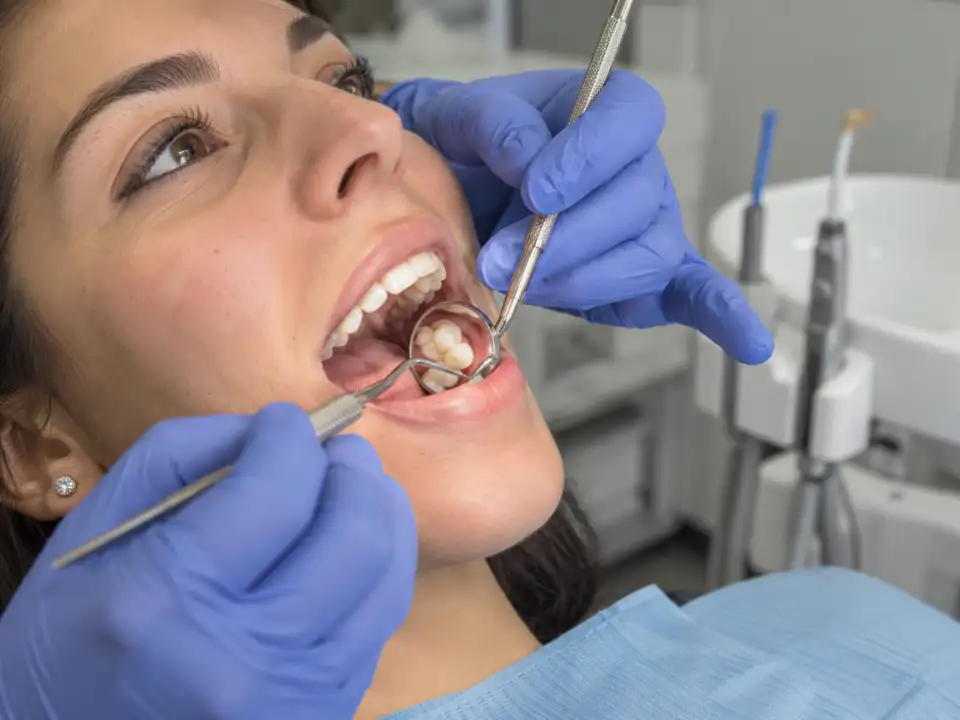
Dental fillings repair a tooth that has been damaged by decay or a small fracture, so you can chew comfortably again and the damage does not spread. If you are searching for dental fillings in Rawalpindi, this guide explains how the treatment works, who it suits and what to ask before you book.
What a dental filling is and how it works
A filling replaces the part of a tooth that has been lost to decay or damage. The dentist removes the affected area, cleans the space and then fills it with a suitable material that is shaped to match your bite. The aim is to seal the tooth so bacteria cannot keep working their way inwards.
Tooth decay usually develops slowly, which is why small problems are often easy to treat when they are found early. The NHS guidance on tooth decay explains how cavities form and why early treatment matters.
Signs you may need a filling
Only an examination can confirm whether a tooth needs treatment, but these are common reasons patients come in:
- A visible dark spot or a small hole in a tooth
- Sensitivity to hot, cold or sweet food and drinks
- Food repeatedly getting stuck in one place
- A rough or chipped edge you can feel with your tongue
- Mild toothache when biting down
Deeper or constant pain can mean the nerve is involved. In that case your dentist may discuss root canal treatment instead of a simple filling.
What to expect at the clinic
Your visit starts with a conversation about your symptoms and a careful look at the tooth, often supported by an X-ray. Once the treatment plan is agreed, the usual steps are:
- Local numbing so the area is comfortable during the procedure
- Gentle removal of the decayed or damaged part of the tooth
- Cleaning and preparing the space
- Placing the filling material in layers and shaping it
- Checking your bite and polishing the surface
Most straightforward fillings are completed in a single visit, although larger cavities can take longer. You can read more about the service on our dental fillings service page or browse the wider filling treatments category.
Who a filling suits and when another option is better
Fillings suit adults and children with small to medium cavities where enough healthy tooth structure remains. When a tooth is heavily broken down, a filling may not be strong enough on its own. Your dentist might then recommend a dental crown, which covers and protects the whole tooth. You can see related options in our crowns category.
Suitability is always decided at an examination, and the right choice depends on the size and position of the damage, your bite and your oral health history.
Aftercare in general terms
After treatment, the numbness fades within a few hours. Take care not to bite your cheek or tongue while the area is still numb. Mild sensitivity can occur for a short time, and your dentist will tell you what to expect for your situation.
- Wait until the numbness has gone before eating hot food
- Chew on the other side if the tooth feels tender
- Brush twice a day and clean between your teeth daily
- Contact the clinic if your bite feels high or the pain gets worse
Regular cleaning also helps protect your repaired teeth, and a visit for scaling and polishing removes plaque and tartar that brushing can miss. Our earlier article on what to expect from a scaling visit explains the process.
What affects the cost of a filling
We do not quote prices in articles because every tooth is different. In general terms, these factors influence the final cost:
- The size and depth of the cavity
- The type of material chosen
- How many teeth need treatment
- Whether extra steps such as X-rays or a crown are needed
A clear estimate after your examination is the most reliable way to understand the cost. For comparison, you can read how we explain pricing in our guide to root canal treatment and price questions.
How to choose a dental clinic in Rawalpindi
Look for a clinic that explains the problem and your options in plain language, shows you the X-ray, and gives you time to ask questions. Good clinics keep instruments properly sterilised, discuss aftercare and are open about what they can and cannot treat. Browse everything we offer on our services page to see how a filling fits into a full care plan.
Frequently asked questions
Does getting a filling hurt?
The tooth is numbed first, so most patients feel pressure rather than pain. Tell your dentist if you feel any discomfort and they can adjust.
How long does a filling last?
It varies. Lifespan depends on the material, the size of the repair, your bite and how well you look after your teeth, so results differ from person to person.
Can I eat after a filling?
Your dentist will advise you on timing. Usually it is sensible to wait until the numbness wears off before eating.
Is a filling the same as a root canal?
No. A filling repairs the outer part of the tooth, while a root canal treats infection or damage inside the tooth. Your dentist will explain which one applies after an examination.
Can children have fillings?
Yes, children can have fillings for decayed teeth. The dentist will assess each case and explain the approach during the consultation.
Book a consultation at Brush & Floss Dental Clinic
If you notice sensitivity, a rough edge or a visible cavity, an early check-up can make treatment simpler. Book a consultation at Brush & Floss Dental Clinic in Rawalpindi, and we will examine your teeth and talk you through the options. Start from our home page to find out more.