Dental Crowns in Rawalpindi: Process, Aftercare and Cost
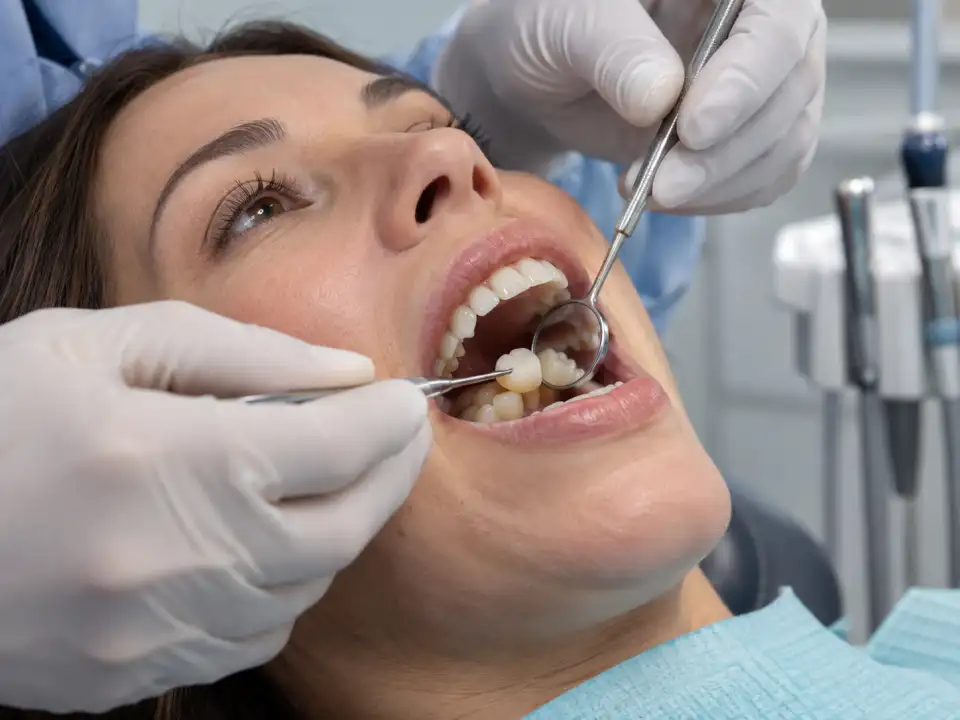
Dental crowns are tooth-shaped caps that cover a damaged tooth to restore its shape, strength and appearance. If you are wondering whether a crown suits your tooth, this guide explains how the treatment works, what to expect and what to ask before you book in Rawalpindi.
What a dental crown is and how it works
A crown fits over the whole visible part of a tooth, like a cap. It is used when a tooth is too weak or damaged to be repaired with a simple filling. You can read more about the treatment on our dental crowns service page, and browse related information in the crown category.
Crowns are commonly made from porcelain, ceramic, metal or a combination. Which material is suitable depends on the position of the tooth, the bite and your preferences, and this is decided at an examination.
Who may need a crown
Your dentist may suggest a crown in situations such as:
- A tooth with a large cavity where a filling would not leave enough healthy structure
- A cracked or worn tooth that needs protection
- A tooth that has had a root canal and needs reinforcement
- A tooth that is badly shaped or discoloured
- A crown that anchors a bridge or sits on top of an implant
Smaller problems are often managed with dental fillings. Our guide to fillings in Rawalpindi explains where that option fits.
Crowns after root canal treatment
A tooth that has been treated for infection or deep decay can become more brittle over time. For this reason, a crown is often discussed after root canal treatment. The NHS explains this in its page on root canal treatment. We also cover the full journey in our post on RCT, crowns and price questions.
What to expect at the clinic
Every appointment at Brush & Floss Dental Clinic starts with a consultation. The usual steps are:
- Examination and discussion of your symptoms, with X-rays where your dentist considers them necessary
- Preparing the tooth by gently reshaping it, usually with local anaesthetic for comfort
- Taking an impression or scan so the crown can be made to fit your bite
- Fitting a temporary crown while the final one is prepared
- Checking the fit and bite, then cementing the final crown
The number of visits and the timing depend on the tooth and the case, so ask your dentist for a plan at the consultation.
Aftercare in general terms
Mild sensitivity can occur after the tooth is prepared, and it is worth reporting anything that does not settle. In general, patients are advised to:
- Brush twice a day and clean between the teeth, including around the crown edge
- Avoid very hard or sticky food on a temporary crown
- Attend regular check-ups so the crown and the tooth beneath it can be monitored
- Tell your dentist if the bite feels high or the crown feels loose
The NHS advice on looking after your teeth and gums is a good reference for daily care. How long a crown lasts varies from person to person.
Crown, bridge or implant?
A crown restores a tooth that is still present. If a tooth is missing, other options may be discussed. A dental bridge uses crowns on neighbouring teeth to hold a replacement tooth, and you can read about the options in the bridge category. A dental implant replaces the missing root and is topped with a crown. Which route suits you is a clinical decision after examination.
What affects the cost
We do not quote prices in articles because every case differs. In general terms, the cost is influenced by:
- The material chosen for the crown
- The condition of the tooth and whether other treatment, such as a root canal, is needed first
- The number of teeth involved
- The laboratory work and the number of visits required
Ask for a clear treatment plan and an explanation of costs before you start.
How to choose a clinic
Look for a clinic that examines you properly, explains your options in plain language and does not rush you into treatment. Ask about materials, the expected number of visits and what follow-up is included. A good clinic will also tell you honestly when a simpler treatment is enough.
Frequently asked questions
Does getting a crown hurt?
The tooth is usually numbed with local anaesthetic during preparation, so most patients feel pressure rather than pain. Some sensitivity afterwards is possible.
How many visits does a crown take?
Often two visits, with a temporary crown in between. Your dentist will confirm the plan for your tooth.
How long does a crown last?
It varies with the material, your bite, your habits and how well you look after your teeth. Results vary between patients.
Can a crown be placed on a tooth that has had a root canal?
Yes, this is a common combination, and your dentist will advise whether it suits your tooth.
Will a crown look like my natural teeth?
Crowns can be matched to the shade and shape of neighbouring teeth, although the final look depends on the material and the case. If appearance is your main goal, you may also like to ask about veneers.
Book a consultation in Rawalpindi
If you have a cracked, weak or heavily filled tooth, the first step is an examination. Book a visit at Brush & Floss Dental Clinic, and we will explain your options, answer your questions and help you decide what suits you.